Open TikTok right now and search ” Netflix documentary.”
You won’t get Netflix’s trailer. You’ll get a 19-year-old attaching a fake lapel mic, staring dead into the camera, and whispering:
“I never thought my roommate eating my leftover Chipotle would lead to a 3-year investigation…”
DUN DUN — dramatic Netflix drums.
The “Netflix Documentary” trend is more than a joke. It shows how people can turn ordinary moments into entertainment.
And it’s everywhere. In September 2026, the ” Netflix Documentary” meme took over social media — 400 million views — where people jokingly frame their own lives as if they were the subject of a serious streaming feature.
Why are we all suddenly talking like we’re being interviewed for a true-crime doc about our own laundry?
Because Netflix actually rewired how we tell stories.
The Formula We All Memorized
The “Netflix documentary” meme is built around the familiar style of true-crime and reality storytelling, where people jokingly frame their own lives as if they were the subject of a serious streaming feature. The format often begins with a staged setup shot. A creator pretends to attach a microphone or sit down for an interview, mimicking the tone of a high-stakes documentary before cutting to a dramatic or embarrassing confession.
If you’ve watched even one Netflix doc, you know the beats by heart:
Social media has been parodying the now-familiar Netflix documentary formula: dramatic walks toward a chair, lingering B-roll close-ups of adjusting a microphone, smoothing hair or clothing, ominous orchestral scores, and talking-head interviews that painstakingly build suspense around, at times, the most mundane personal anecdotes.
- The slow walk to the interview chair
- The tap tap on the mic: “Is this on?”
- The deep sigh
- “It all started on a Tuesday…”
- B-roll of you making coffee like it’s evidence
- Cliffhanger before ad: “And that’s when I saw the text.”
Netflix even joined in on the joke — posting their own parody of someone confessing that their florist for their wedding used blush they didn’t like, shot like The Tinder Swindler.
That may be the real reason this trend works. It makes everyday life feel like a movie, even when the story is just about something that happened yesterday.
Why Real Stories Beat Fiction in 2026
1. We Are Tired of Fake.
After 5 years of AI images, scripted reality TV, and Instagram that looks too perfect, real hits different.
Investment in Original Content — Streaming services like Netflix, Amazon Prime, and Disney+ are increasingly investing in original documentary content to attract viewers seeking informative and real-life stories.
The lines between news and entertainment continue to blur as streaming platforms like Netflix invest in documentary series that tackle current affairs and historical events.
Growing Viewer Demand for Real-Life Content — this massive audience base presents significant opportunities for documentary creators.
Netflix knows this. The introduction of new documentary content is a consistent strategy for streaming platforms, enabling them to attract and retain subscribers by offering unique perspectives and compelling real-life stories. Documentaries serve a crucial role in a service like Netflix, not only by entertaining but also by informing and sparking public discourse.
Look at 2026’s hits:
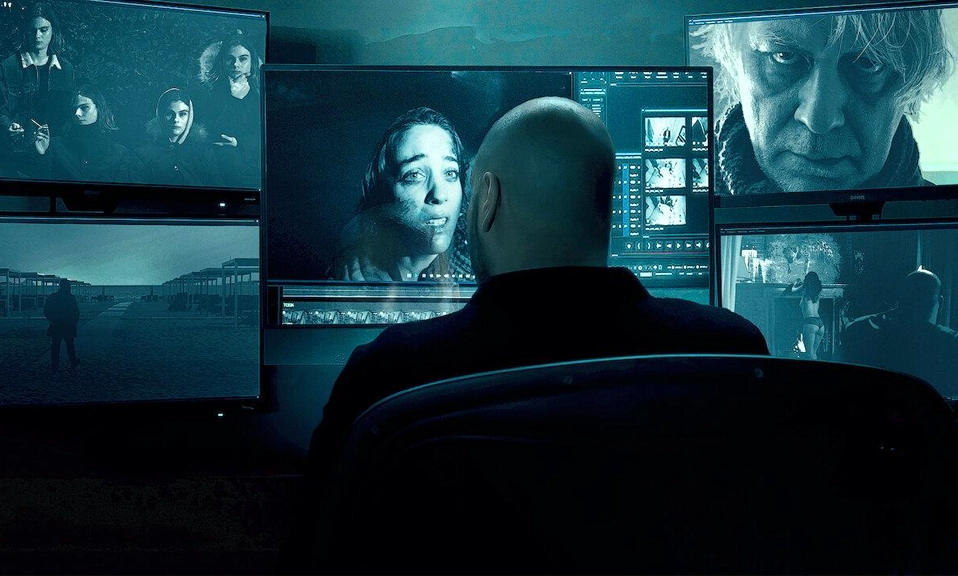
- Unknown Number: The Highschool Catfish — a mom catfishing her own daughter’s friends. This documentary’s viral presence on platforms like TikTok under hashtags such as #unknownnumber, #viral, and #Netflix highlights how social media drives interest in real stories.
- Our Father — fertility doctor who used his own sperm on dozens of women — Honestly, the “Netflix Effect” is real. When Our Father hit the platform, it didn’t just entertain. It triggered real-world lawsuits and legislative changes.
- Alix Earle Effect doc — If the so-called ” Alix Earle effect” can move the needle for beauty brands and home goods retailers, it can probably sell some Netflix subscriptions too.
Real stories create real consequences. Fiction doesn’t.
2. Social Media IS a Documentary Now
We already live like we’re being filmed.
We vlog our mornings, we do GRWM (Get Ready With Me) like interview segments, we post evidence (screenshots, receipts) like a true-crime timeline.
The Netflix documentary style fits perfectly because our lives are already structured like docs:
- Hook (day in my life as…)
- B-roll (aesthetic coffee pour)
- Conflict (my Shein order didn’t arrive)
- Resolution (I got refund)
A New Way to Tell Everyday Stories — That’s exactly what TikTok’s Netflix trend does. It takes the mundane — a roommate eating your leftovers, a bad date — and makes it feel important because it’s framed as important.
Gen Z doesn’t want to be actors. They want to be subjects. The main character of their own doc.
3. The “Authenticity” Currency
On TikTok and Instagram in 2026, authenticity = views.
And nothing says authentic like real-life footage and interviews. The use of real-life footage and interviews enhances the documentary’s authenticity, inviting viewers to connect on a personal level.
A scripted story? We scroll.
A real story? “Wait, this actually happened?” We stay.
Footage and interviews to uncover hidden stories. Watching can raise awareness about risks — this is why documentaries go viral on social. They are a catalyst for conversation and awareness.
When you tell a story as a “Netflix documentary,” you borrow instant credibility. It signals: This is so crazy, it deserves a streaming deal.
The Dark Side of the Netflix Effect
These aren’t just “movies.” They are catalysts for justice, but they also turn real human suffering into a Tuesday night activity for us.
The Netflix Effect has a dark side:
- Trial by social media: Before a trial happens, Netflix has already edited the story. The public decides guilt from a trailer.
- Trauma as content: Victims re-live their worst moments for our binge.
- Everyone thinks their life is a doc: That breakup wasn’t a 3-part limited series. Sometimes it’s just a breakup.
But we can’t stop. Because real is more binge-worthy than fake.
Why Your Life Feels Like a Documentary Now
Because it is.
You have a ring light = interview lighting.
You have a mic = lapel mic.
You have B-roll = your camera roll.
You have a narrator = you doing voiceover.
The ” Netflix Documentary” trend went viral as social media turns everyday life into drama — and it worked because Netflix taught us the language of drama.
10 years ago, we told stories like: “So yesterday, my boyfriend…”
Now we tell stories like: “My name is Maya, I’m 23, and I never thought a Hinge date would end with me calling animal control. [dramatic pause] It started on a Tuesday.”
Same story. One feels like gossip. One feels like content.
Netflix didn’t just change TV. It changed how we think our lives should be told — with suspense, with B-roll, with a mic check.
And honestly? It’s more fun this way.