Longevity is no longer about living longer. It’s about living better for longer—and the science says you don’t need a biohack, a supplement stack, or a personalised protocol to do it. You need the basics, done consistently, for decades.
The numbers tell the story. 73% of consumers globally now consider healthy ageing extremely or very important—a shift that has moved longevity from a niche concern for older adults to a universal health priority. But the 2026 U.S. News Healthy Aging Survey of 63 health experts found something striking: 89% identified consistent physical activity and a nutrient-dense diet as the most critical factors for healthy ageing, far ahead of supplements, biohacking tools, and emerging longevity trends. Restorative sleep followed at 30%—and when experts were asked to recommend a single supplement, 14% said none was necessary at all.
The message from the research is clear: the foundations beat the biohacks. And the foundations are simpler than the longevity industry wants you to believe.
Here are nine everyday habits, drawn from the 2026 research and the world’s longest-lived communities, that actually support healthy ageing.
1. Move Naturally—Not Just at the Gym
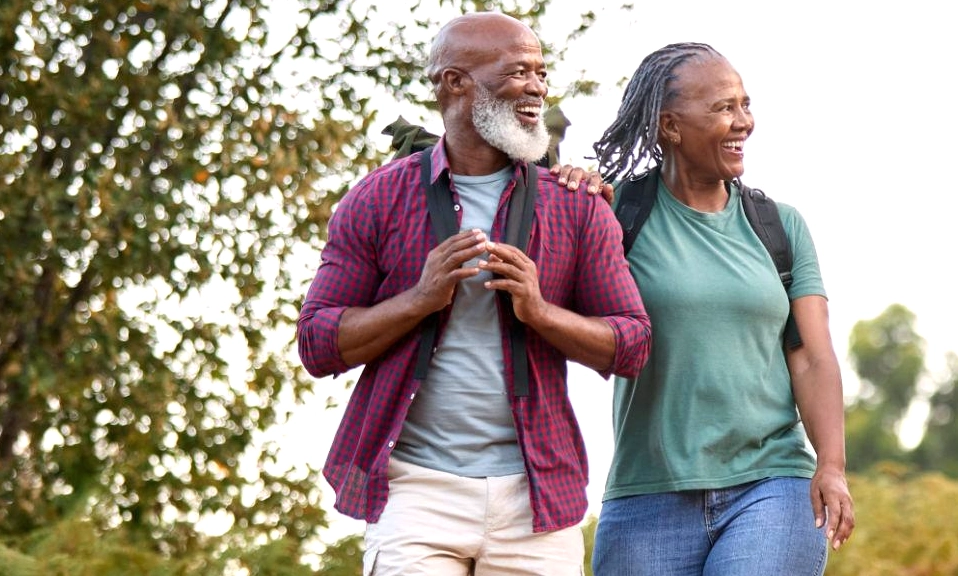
In the Blue Zones—Okinawa, Sardinia, Nicoya, Ikaria, and Loma Linda—people rarely set aside time to exercise. Their days already keep them moving. Sardinian shepherds walk miles of hilly terrain. Okinawan elders tend their gardens into their 90s. In Ikaria, getting almost anywhere means walking up a steep hill.
The research supports this. In an analysis of 15 studies, the more steps adults over 60 took each day, the lower their risk of dying, with the benefit levelling off at around 6,000 to 8,000 steps. You don’t need 10,000 steps. You need consistent, incidental movement: a 10-minute walk after a meal, gardening, standing up from a chair without using your hands, taking the stairs.
Why it matters: Natural movement is sustainable in a way that gym routines often aren’t. It doesn’t require motivation, equipment, or a schedule. It’s built into the day.
2. Build and Keep Muscle—Especially After 50
The 2026 longevity conversation has a new priority: lean muscle mass. The Global Wellness Institute identifies it as a critical determinant of healthspan, alongside mobility and functional capacity. The U.S. News survey found that experts are evenly split between grip strength and VO2 max as the marker adults under 50 should track to predict mobility and independence in their 80s—each selected by 30%—with skeletal muscle mass index following at 22%.
Resistance training is the intervention. It’s not optional for healthy ageing. It’s foundational. And for people taking GLP-1 medications—which are increasingly common—the stakes are higher: 76% of experts agreed that accelerated muscle loss is a serious health concern for people on these drugs, reinforcing the need for resistance training and adequate protein intake.
Why it matters: Muscle is metabolic currency. It supports mobility, balance, glucose regulation, and independence. You don’t age out of building it. You age faster without it.
3. Eat Mostly Plants—and Stop at 80%
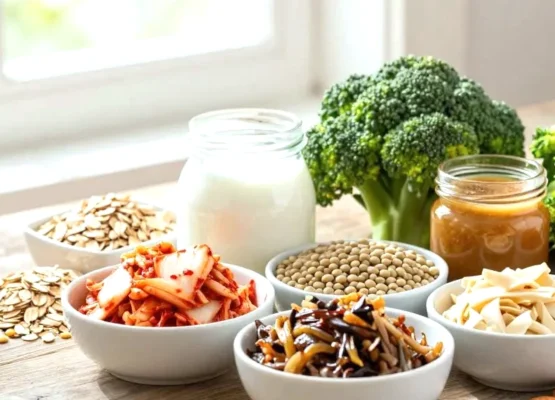
Every Blue Zones region eats a plant-rich diet, with beans on the table in every one—black beans in Nicoya, soybeans in Okinawa. Meat is eaten only a few times a month, usually in small portions.
Okinawans also practise hara hachi bu—a reminder to stop eating when they are about 80% full. Stopping a little early gives your body time to register fullness, which often arrives several minutes after your last bite.
The 2026 research adds nuance. A low-protein, amino-acid-supplemented “longevity diet” has been linked to longer healthy lifespan, lower frailty risk, and better metabolic health—but the emphasis is on mostly plant-based, low-amino-acid diets, not extreme restriction. The Mediterranean pattern—rich in vegetables, legumes, whole grains, fish, and olive oil—remains one of the best-supported dietary approaches for healthy ageing.
Why it matters: You don’t need a perfect diet. You need a pattern that’s mostly plants, mostly whole foods, and moderate in quantity. Small shifts—a half-cup more beans, an extra serving of vegetables—compound over decades.
4. Prioritise Sleep—Even Five Extra Minutes
Sleep is not a luxury. It’s when your brain clears metabolic waste, your body repairs tissue, and your hormonal systems reset. The 2026 research on small changes is particularly encouraging: adding just five minutes of sleep per night was linked to about one year of added lifespan for people with the poorest habits.
The SPAN framework—Sleep, Physical Activity, and Nutrition—treats these three as interconnected pillars. “We’ve all had that night where we don’t get as much sleep as we may want, and the next day we’re grabbing a bag of chips or perhaps not exercising as much,” says lead researcher Nicholas Koemel. Improving one makes the others easier.
Why it matters: Sleep is the foundation on which every other healthy habit rests. Protect it. Go to bed at a consistent time. Dim the lights. Put the phone away. Five extra minutes is a start.
5. Cultivate Social Connection—It’s Not Optional
This is the habit the longevity industry underrates most. 59% of experts identified social isolation as the most underappreciated accelerator of biological aging, well ahead of circadian disruption (19%) and chronic low-grade stress (18%). Dr. Ezekiel Emanuel, a World Health Organization adviser, is blunter: loneliness is worse for your health than smoking tobacco.
The Blue Zones call this pillar “Connect”. In every region, family stays close, friendships are maintained over decades, and community is woven into daily life. You don’t need to live in a Blue Zone. You need to invest in the relationships that make life worth living.
Why it matters: Social connection is not a soft metric. It’s a biological one. Isolation accelerates ageing. Connection slows it.
6. Find Your Purpose—and Downshift Daily
People in the Blue Zones have a reason to get up in the morning. Okinawans call it ikigai. In Nicoya, it’s plan de vida. Research supports it: in a study of nearly 7,000 U.S. adults over 50, those with the strongest sense of purpose were less likely to die over the following years than those with the weakest.
Purpose is paired with stress management. Every Blue Zones region has a daily ritual for shedding stress: prayer among Adventists in Loma Linda, an afternoon nap in Ikaria, happy hour with friends in Sardinia. Chronic stress raises blood pressure and disrupts sleep; a few quiet minutes each day give your body a chance to reset.
Why it matters: Purpose and relaxation are not luxuries. They are protective factors. They reduce inflammation, support cognitive health, and make the other habits easier to sustain.
7. Don’t Underestimate Small Changes
The most encouraging finding in the 2026 research is that you don’t need an overhaul. A study of more than 59,000 older adults published in eClinicalMedicine found that people with the least healthy routines could add about one year to their lives by making three small changes together: 5 extra minutes of sleep, 1.9 more minutes of exercise, and a 5-point improvement in diet quality (like eating half a serving more vegetables).
More ambitious changes—24 more minutes of sleep, 3.7 extra minutes of exercise, and a 23-point boost in diet quality—were linked to up to four healthy years. Benefits were strongest for people going from very little activity to some movement, and peaked at about 50 minutes of exercise per day.
“All those tiny behaviors we change can actually have a very meaningful impact, and they add up over time to make a big difference in our longevity,” Koemel said.
Why it matters: The gap between “doing nothing” and “doing something” is where the biggest gains are. You don’t need to be perfect. You need to start.
8. Protect Your Cognitive Health
Cognitive health has moved from a “mental wellness” concern to a core longevity strategy. Adults over 50 are increasingly engaging in activities that strengthen memory, attention, emotional regulation, and executive function—lifelong learning, creative expression, and social engagement.
The Blue Zones pillar of “Right Outlook” includes staying mentally active, and research on loneliness and cognitive decline reinforces the link between social engagement and brain health.
Why it matters: A long life without a sharp mind is not the goal. Healthspan means preserving the capacity to think, learn, and engage. Use it or lose it.
9. Track Function, Not Just Age
The 2026 shift is from “anti-aging” to functional longevity—a mindset that prioritises strength, mobility, cognitive clarity, and independence over youthful appearance. The metrics that matter are not biological age tests or wrinkle counts. They are grip strength, VO2 max, balance, and the ability to get up from the floor.
“Wellness real estate, senior living, and community-based programs increasingly design spaces around everyday function—climbing stairs, carrying groceries, getting up from the floor—rather than abstract fitness metrics,” the Global Wellness Institute notes.
Why it matters: Function is the foundation of independence. If you can move, lift, carry, and balance, you can live on your own terms. That is the real measure of healthy ageing.
Longevity is trending
—but the trend is not a supplement, a protocol, or a biohack. It’s a return to the basics, backed by the largest body of evidence we’ve ever had.
Move naturally. Build muscle. Eat mostly plants. Sleep. Connect. Find purpose. Start small. Protect your mind. Track function.
None of these are complicated. None require expensive testing or a personalised plan. They require consistency—and the willingness to trust that the small, unglamorous habits are the ones that matter most.
The science is clear. The foundations beat the biohacks. And the best time to start was decades ago. The second-best time is today.