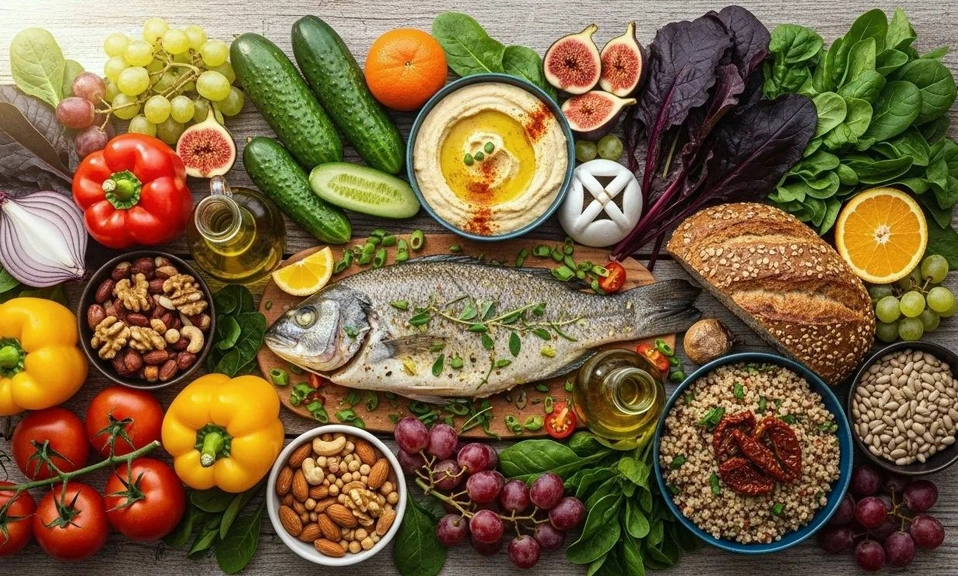
We live in a world where we are quick to pop a pill for a headache, take an antacid for heartburn, and rely on prescription sleep aids for a bad night’s rest. But while modern medicine is a miracle for acute crises, the foundation of long-term health, disease prevention, and longevity doesn’t start in the pharmacy.
It starts in the produce aisle.
The concept of “Food as Medicine” isn’t about using a specific food to cure a disease. It’s about understanding that the compounds in whole foods interact with our DNA, our cells, and our microbiome to build a body that is resilient, anti-inflammatory, and slow to age.
If you want to invest in your long-term health, here are 10 everyday, scientifically backed foods that act as your first line of defence against chronic disease.
🫒 1. Extra Virgin Olive Oil (EVOO)
The Long-Term Benefit: Cardiovascular and Brain Protection. The Science: EVOO is the cornerstone of the Mediterranean Diet, consistently ranked the world’s healthiest diet. It is rich in oleic acid and a powerful polyphenol called oleocanthal, which has been shown to have anti-inflammatory effects similar to ibuprofen. Long-term consumption is strongly linked to reduced risk of heart disease, stroke, and even the prevention of amyloid plaques in the brain associated with Alzheimer’s. How to use it: Don’t just cook with it; use it raw. Drizzle a high-quality, cold-pressed EVOO over your salads, soups, and roasted vegetables after cooking to preserve the delicate polyphenols.
🥦 2. Cruciferous Vegetables (Broccoli, Brussels Sprouts, Cabbage)
The Long-Term Benefit: Cellular Detoxification and Cancer Prevention. The Science: These vegetables contain a unique compound called glucoraphanin. When the plant is chopped or chewed, it converts into sulforaphane, a potent compound that activates the body’s natural detoxification enzymes and reduces oxidative stress. Epidemiological studies consistently link high cruciferous vegetable intake to a lower risk of several types of cancer. How to use it: Pro Tip: Chop your broccoli or cabbage and let it sit for 10 minutes before you cook it. This gives the enzyme the time it needs to create the sulforaphane before heat deactivates the process.
🐟 3. Wild-Caught Fatty Fish (Salmon, Sardines, Mackerel)
The Long-Term Benefit: Brain Volume Preservation and Heart Rhythm Stability. The Science: Fatty fish are the ultimate source of EPA and DHA, the long-chain Omega-3 fatty acids. Your brain is nearly 60% fat, and DHA is a primary structural component of it. Long-term, high intake of Omega-3s is linked to slower cognitive decline, reduced brain shrinkage in old age, and a significantly lower risk of fatal heart arrhythmias. How to use it: Aim for 2–3 servings a week. Sardines and mackerel are not only cheaper and lower in mercury than salmon, but you can eat the tiny, edible bones, giving you a massive dose of calcium and vitamin D.
🫐 4. Dark Berries (Blueberries, Blackberries, Mulberries)
The Long-Term Benefit: Slowing Cognitive Ageing. The Science: The deep, dark pigments in berries come from anthocyanins. These specific antioxidants are small enough to cross the blood-brain barrier. Research from Harvard shows that regular consumption of berries can delay cognitive ageing by up to 2.5 years by protecting neurons from inflammation and oxidative stress. How to use it: Fresh is great, but frozen berries are picked at peak ripeness and flash-frozen, meaning their antioxidant levels are often higher than fresh berries sitting on a supermarket shelf. Toss a handful into your morning oats or smoothies.
🥬 5. Dark Leafy Greens (Spinach, Kale, Swiss Chard)
The Long-Term Benefit: Bone Density and Cellular Ageing. The Science: Leafy greens are nature’s multivitamin. They are packed with Vitamin K1 (essential for bone health and directing calcium into the bones rather than the arteries), lutein (for eye health), and folate (for DNA repair). Studies show that people who eat one to two servings of leafy greens daily have the cognitive profile of someone 11 years younger. How to use it: If you hate the texture of cooked greens, blend a massive handful of mild-tasting spinach into a fruit smoothie. You won’t taste it, but your cells will get the nutrients.
🧄 6. Garlic and Onions (The Allium Family)
The Long-Term Benefit: Arterial Flexibility and Immune Modulation. The Science: When garlic is crushed, it releases allicin, a compound that helps relax blood vessels, lowering blood pressure and improving arterial flexibility. Onions are rich in quercetin, a powerful anti-inflammatory flavonoid. Together, they form a potent defence against cardiovascular disease and help keep the immune system primed. How to use it: Like broccoli, crush or mince your garlic and let it sit on the cutting board for 10 minutes before applying heat. This allows the alliinase enzyme to fully activate the medicinal allicin.
🫘 7. Legumes (Lentils, Chickpeas, Black Beans)
The Long-Term Benefit: Longevity and Metabolic Health. The Science: If you look at the “Blue Zones” (the regions of the world where people live the longest), the one dietary common denominator is that they all eat a cup of beans every single day. Legumes provide a perfect matrix of complex carbohydrates, plant protein, and massive amounts of fibre. They blunt blood sugar spikes, feed the gut microbiome, and are linked to a lower risk of all-cause mortality. How to use it: Swap out meat in your tacos or bolognese for lentils or black beans. They are incredibly cheap, shelf-stable, and absorb the flavours of whatever you cook them with.
🌰 8. Walnuts and Flaxseeds
The Long-Term Benefit: Vascular Health and Hormonal Balance. The Science: Walnuts are the premier plant-based source of ALA (alpha-linolenic acid), a type of Omega-3. Interestingly, a walnut looks exactly like a tiny brain, and it acts like one too, improving blood vessel function and reducing neuro-inflammation. Flaxseeds contain lignans, which help balance hormones and protect against hormone-related cancers. How to use it: Keep a jar of walnuts on your desk for a daily handful. For flaxseeds, always buy them ground (or grind them yourself); whole flaxseeds will pass through your digestive tract completely intact.
🍵 9. Green Tea and Matcha
The Long-Term Benefit: Cellular Autophagy and DNA Protection. The Science: Green tea is loaded with a catechin called EGCG. EGCG has been shown to promote autophagy—the body’s process of clearing out damaged, senescent (“zombie”) cells that drive the ageing process. It also protects DNA from oxidative damage and supports a healthy, active metabolism. How to use it: Swap your second cup of coffee for green tea. Matcha (powdered whole green tea leaves) delivers a significantly higher concentration of EGCG than steeped tea bags.
🍠 10. Sweet Potatoes and Purple Potatoes
The Long-Term Benefit: Gut Integrity and Reduced Systemic Inflammation. The Science: Unlike white potatoes, purple and orange-fleshed sweet potatoes are packed with beta-carotene and anthocyanins. Furthermore, when potatoes are cooked and then cooled (like in a potato salad), they form resistant starch. This starch ferments in the gut to produce butyrate, a short-chain fatty acid that literally heals and seals the gut lining, preventing “leaky gut” and systemic inflammation. How to use it: Roast them, mash them, or make a potato salad. Just remember the cooling trick: cook them, let them cool in the fridge for a few hours, and then eat them cold or gently reheated to maximise the resistant starch.
⚠️ The Reality Check: Food is Preventative, Not a Replacement
Before you throw away your medicine cabinet, we need to establish a crucial boundary.
Food as medicine means prevention and optimisation; it does not mean replacement.
If you have a bacterial infection, you need antibiotics. If you have Type 1 Diabetes, you need insulin. If you have severe clinical depression, you may need psychiatric medication. No amount of blueberries or broccoli will replace acute medical intervention when your body is in crisis.
However, for the chronic, lifestyle-driven conditions that plague the modern world—heart disease, Type 2 diabetes, metabolic syndrome, and cognitive decline—food is the most powerful tool we have. It is the daily, compounding interest you pay into your health account.
Add, Don’t Subtract
The biggest mistake people make when trying to eat for long-term health is focusing on restriction. (Cut this out, ban that, avoid carbs).
Instead, flip the script. Focus on addition. Look at your plate and ask yourself: “How many of these 10 longevity foods can I add to my day?”
When you fill your body with the building blocks of health, the cravings for ultra-processed, inflammatory foods naturally fade away. You don’t have to be perfect. Just aim to make the majority of your daily calories come from the earth, not a factory. Your future self will thank you.