Walk down the beverage aisle of any grocery store in 2026, and you’ll notice something: water, soda, and juice have been pushed to the margins.
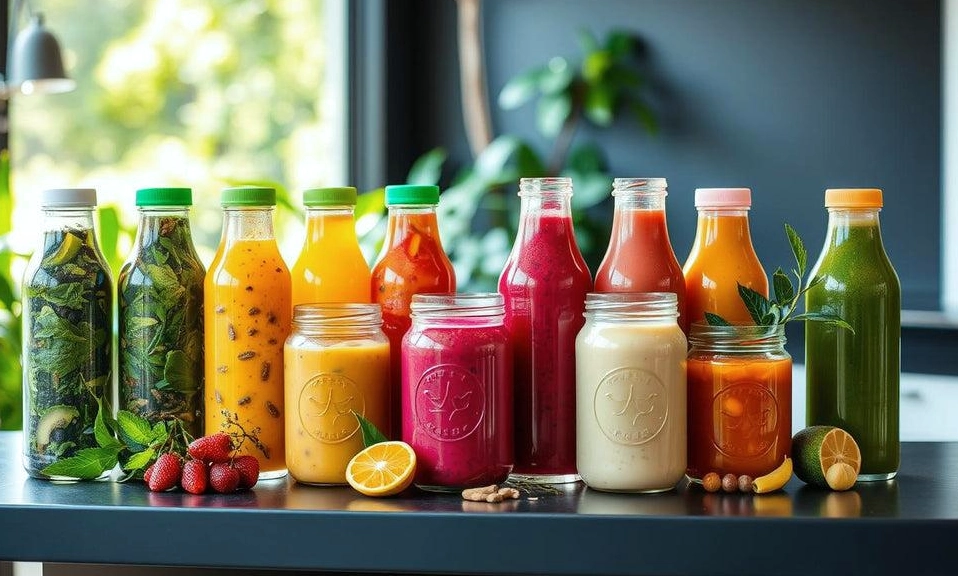
In their place is a vibrant, neon-lit wall of “functional” beverages. There are sparkling waters promising laser focus, creamy elixirs guaranteeing deep REM sleep, and fizzy sodas claiming to rebuild your gut microbiome.
The global functional beverage market is booming, and for good reason. We are a tired, stressed, and gut-compromised society looking for convenient, tasty solutions. But these drinks often come with a steep price tag—sometimes $4 to $6 a can.
So, the million-dollar question: Are functional drinks actually delivering on their health promises, or are we just buying expensive, cleverly marketed flavored water?
Let’s break down the science behind the three biggest categories—Sleep, Energy, and Gut Health—to separate the legitimate benefits from the marketing hype.
🌙 1. Sleep Drinks: The “Wind-Down” Elixirs
The Claim: Drink this 30 minutes before bed to fall asleep faster and stay asleep longer, without the morning grogginess of traditional sleep aids. Common Ingredients: Magnesium (glycinate or threonate), L-theanine, tart cherry juice, GABA, ashwagandha, and sometimes melatonin.
Do They Work? Mostly yes, but with caveats.
- The Good: Magnesium glycinate and L-theanine have robust clinical backing for promoting relaxation and reducing nervous system arousal. Tart cherry juice naturally contains melatonin and has been shown in studies to improve sleep duration and quality.
- The Catch: Many sleep drinks “fairy dust” these ingredients, meaning they include them in such tiny, clinically insignificant doses that they only serve as marketing buzzwords. Furthermore, if a sleep drink is loaded with sugar or artificial sweeteners, it can spike your blood glucose, which actively disrupts sleep architecture.
- The Verdict: They can be a helpful part of a bedtime ritual, especially if they replace a glass of wine or a late-night screen session. Just check the label to ensure the active ingredients are dosed effectively (e.g., at least 100–200mg of L-theanine) and that sugar is kept to an absolute minimum.
⚡ 2. Energy & Focus Drinks: The “Clean” Buzz
The Claim: All-day, jitter-free energy and mental clarity without the dreaded afternoon crash of traditional energy drinks or a fifth cup of coffee. Common Ingredients: Matcha, yerba mate, guayusa, B-vitamins, ginseng, L-theanine, and nootropics like Lion’s Mane mushroom or Alpha-GPC.
Do They Work? Yes, but “clean energy” is still just energy.
- The Good: The gold standard in functional energy is the combination of caffeine + L-theanine (naturally found together in matcha and green tea). L-theanine smooths out the jagged edges of caffeine, promoting alert focus without the jitters or anxiety. Nootropics like Lion’s Mane show promising early research for supporting nerve growth factor and cognitive function, though human trials are still ongoing.
- The Catch: There is no such thing as “caffeine-free energy” unless it’s purely a placebo. Many “natural” energy drinks pack just as much caffeine as a Monster or Red Bull (150–200mg), they just source it from green coffee beans or guarana instead of synthetic caffeine. Your liver doesn’t know the difference.
- The Verdict: If you need a boost, a functional drink with a moderate dose of caffeine (50–100mg) paired with L-theanine is vastly superior to a sugary, chemical-laden traditional energy drink. But don’t expect a mushroom extract to replace a good night’s sleep.
🦠 3. Gut Health Drinks: The Microbiome Mixers
The Claim: Repair your gut lining, banish bloating, and boost your immune system with every sip. Common Ingredients: Live probiotics (kombucha, kefir, water kefir), prebiotic fibers (chicory root, inulin, acacia fiber), apple cider vinegar (ACV), and postbiotics.
Do They Work? It depends entirely on the type of drink.
- Prebiotic Sodas (e.g., Olipop, Poppi): These are currently dominating the market. They replace high-fructose corn syrup with 3–5 grams of prebiotic fiber. Do they work? Yes. Prebiotic fiber is scientifically proven to feed beneficial gut bacteria. However, if you aren’t used to fiber, drinking two of these a day can cause severe bloating and gas. Start with half a can.
- Kombucha & Kefir: These contain live probiotics. Do they work? Yes, but variability is high. A homemade or refrigerated, raw kombucha can have billions of CFUs (colony-forming units). Shelf-stable, pasteurized kombucha has had all the live bacteria killed to prevent the can from exploding. Always buy from the refrigerated section.
- Apple Cider Vinegar (ACV) Shots: The Verdict: Mostly hype. While ACV has mild, proven benefits for blunting post-meal blood sugar spikes, drinking it diluted in water won’t magically “detox” your liver or melt belly fat. It’s also highly acidic and can erode tooth enamel over time.
- The Verdict: Prebiotic sodas and refrigerated fermented drinks are legitimate, science-backed tools for gut health. Just treat them as a supplement, not a replacement for eating fibrous vegetables.
⚠️ The Fine Print: What the Labels Don’t Tell You
Before you stock your fridge with functional beverages, keep these three industry realities in mind:
- The “Proprietary Blend” Loophole: If a drink lists a “Focus Blend” or “Sleep Matrix” without telling you the exact milligram amount of each ingredient, run. Companies use proprietary blends to hide the fact that the expensive, effective ingredients are dosed too low to do anything.
- The Regulatory Wild West: The FDA regulates functional drinks as food, not drugs. This means the health claims on the can (“Supports calm,” “Promotes gut health”) do not have to be proven with rigorous clinical trials before they hit the shelf.
- The Sugar/Sweetener Trap: To make ingredients like magnesium or apple cider vinegar taste good, companies have to mask the flavor. Some use excessive cane sugar (defeating the health purpose), while others rely heavily on sugar alcohols (erythritol, maltitol) or artificial sweeteners (sucralose), which can trigger digestive distress or negatively alter the gut microbiome in sensitive individuals.
🛠️ How to Choose a Functional Drink Wisely
If you want to incorporate these beverages into your routine without wasting your money or wrecking your stomach, follow this checklist:
- Check the Dose: Google the clinical dose of the main active ingredient. If the drink has 50mg of L-theanine, but studies show you need 200mg for an effect, you’re just buying flavored water.
- Audit the Sweetener: Aim for drinks with under 5g of added sugar. If it uses sugar alcohols, be prepared for potential bloating. Stevia and monk fruit are generally better-tolerated natural alternatives.
- Buy Refrigerated: For anything claiming to have live probiotics (kombucha, kefir), if it’s sitting on a warm shelf, the bacteria are dead.
- Start Slow: Especially with prebiotic fibers and fermented drinks. Introduce one new functional drink at a time to see how your unique biology reacts.
Tools, Not Magic Potions
Do functional drinks work? Yes, but they are optimizers, not miracles.
A $4 can of prebiotic soda won’t fix a diet that consists entirely of ultra-processed junk food. A sleep elixir won’t cure chronic insomnia if you’re scrolling on your phone in bed until 1 AM. And a matcha latte won’t give you “clean energy” if you’re chronically sleep-deprived.
However, if you have a solid foundation of whole foods, decent sleep hygiene, and regular movement, functional drinks can be a fantastic, convenient tool to fine-tune your health. They can take the edge off your afternoon slump, give your gut bugs a little extra fiber, or help signal to your brain that it’s time to wind down.
Read the labels, ignore the flashy marketing, and choose the drinks that actually deliver the ingredients your body needs.
*Have you tried any functional drinks for sleep, energy, or gut health? Did you find a brand that actually works, or did you fall victim to the “fairy dusting” hype? Share your reviews and experiences in the is a fantastic, convenient tool to fine-tune your health. They can take the edge off your afternoon slump, give your gut bugs a little extra fiber, or help signal to your brain that it’s time to wind down.
Read the labels, ignore the flashy marketing, and choose the drinks that actually deliver the ingredients your body needs.