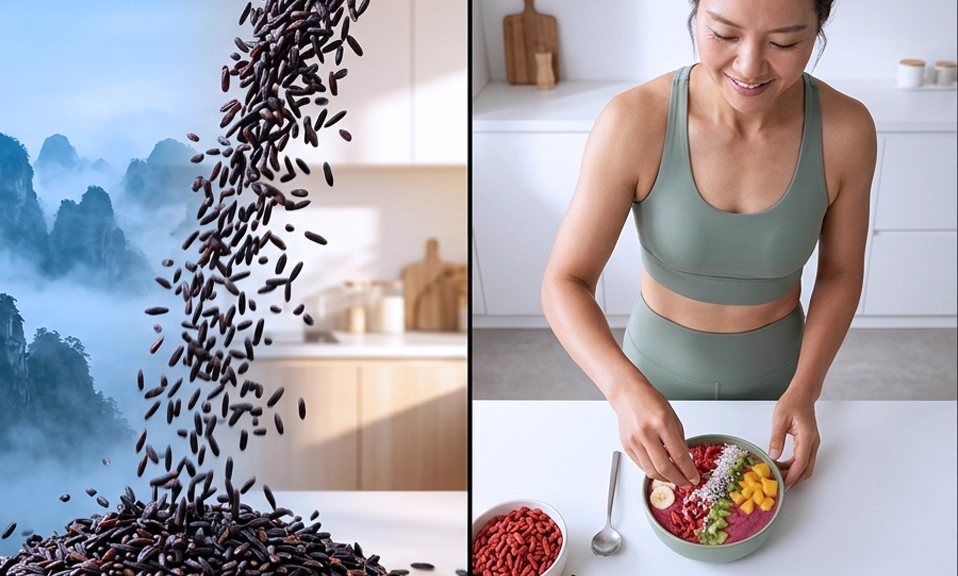
Every January, the Western wellness world rolls out its latest “miracle” ingredient. One year it’s acai berries from the Amazon. The next, it’s moringa from India, or baobab from Africa, or some obscure algae harvested from a volcanic lake.
We spend billions chasing exotic powders, $15 smoothie bowls, and supplement capsules filled with ingredients we can barely pronounce.
Meanwhile, one of the oldest continuous civilizations on Earth has been quietly eating foods that rival—and often surpass—every trendy superfood on the market. These ingredients aren’t hidden in remote jungles. They’ve been sitting in Chinese kitchens, herbal medicine cabinets, and street food stalls for thousands of years.
The irony? Many of these ancient Chinese superfoods are dirt cheap, incredibly versatile, and backed by both millennia of Traditional Chinese Medicine (TCM) and a growing body of modern clinical research.
Here are 10 of China’s most powerful hidden superfoods that make modern diet trends look like expensive fads.
1. Goji Berries (Gouqi) 🔴
The Western Equivalent: Blueberries or acai
Why It’s Superior: Goji berries have been a cornerstone of Chinese longevity practices for over 2,000 years. While blueberries get all the credit for antioxidants, goji berries contain all 8 essential amino acids (extremely rare for a fruit), 21 trace minerals, and 500 times more vitamin C per weight than oranges. In TCM, they are prescribed to nourish the liver and kidneys, improve vision, and boost immune function. Modern studies have linked them to improved blood sugar regulation, enhanced mood, and better sleep quality.
Why It’s Superior: Goji berries have been a cornerstone of Chinese longevity practices for over 2,000 years. While blueberries get all the credit for antioxidants, goji berries contain all 8 essential amino acids (extremely rare for a fruit), 21 trace minerals, and 500 times more vitamin C per weight than oranges. In TCM, they are prescribed to nourish the liver and kidneys, improve vision, and boost immune function. Modern studies have linked them to improved blood sugar regulation, enhanced mood, and better sleep quality.
How to Eat Them: Toss a handful into hot water for a simple tea, sprinkle them over oatmeal, or simmer them into soups and congee.
2. Black Sesame Seeds (Hei Zhima) ⚫
The Western Equivalent: Chia seeds or flaxseeds
Why It’s Superior: While chia seeds get all the Instagram love, black sesame seeds are a nutritional powerhouse that has been used in China since the Han Dynasty. They are loaded with calcium (far more than dairy by weight), iron, magnesium, and vitamin E. In TCM, black sesame is considered the ultimate food for nourishing the kidneys and blood, and it has been used for centuries to prevent premature graying of hair and support bone density. Modern research confirms their powerful anti-inflammatory and cholesterol-lowering properties.
Why It’s Superior: While chia seeds get all the Instagram love, black sesame seeds are a nutritional powerhouse that has been used in China since the Han Dynasty. They are loaded with calcium (far more than dairy by weight), iron, magnesium, and vitamin E. In TCM, black sesame is considered the ultimate food for nourishing the kidneys and blood, and it has been used for centuries to prevent premature graying of hair and support bone density. Modern research confirms their powerful anti-inflammatory and cholesterol-lowering properties.
How to Eat Them: Ground into a warm, nutty paste for breakfast (black sesame soup), sprinkled on rice, or blended into smoothies.
3. Red Dates / Jujubes (Hong Zao) 🟤
The Western Equivalent: Medjool dates
Why It’s Superior: Red dates are the unsung heroes of Chinese cooking. They appear in everything from herbal tonics to chicken soup to desserts. While Medjool dates are prized for their sweetness, red dates are prized for their medicine. They contain 20 times more vitamin C than citrus fruits (when fresh), are rich in cyclic AMP (a compound that regulates cellular energy), and have been clinically shown to improve sleep quality and reduce anxiety. In TCM, they are the go-to remedy for replenishing blood and calming the spirit.
Why It’s Superior: Red dates are the unsung heroes of Chinese cooking. They appear in everything from herbal tonics to chicken soup to desserts. While Medjool dates are prized for their sweetness, red dates are prized for their medicine. They contain 20 times more vitamin C than citrus fruits (when fresh), are rich in cyclic AMP (a compound that regulates cellular energy), and have been clinically shown to improve sleep quality and reduce anxiety. In TCM, they are the go-to remedy for replenishing blood and calming the spirit.
How to Eat Them: Simmer 5–6 red dates in water with ginger for a warming daily tonic, or add them to slow-cooked soups and stews.
4. Mung Beans (Lü Dou) 🟢
The Western Equivalent: Lentils or chickpeas
Why It’s Superior: Mung beans are the ultimate “cooling” food in Chinese dietary therapy. While lentils are great for protein, mung beans go further: they are packed with antioxidants (vitexin and isovitexin) that have been shown to protect against heat stroke and oxidative stress. They are incredibly easy to digest (unlike many other legumes), help regulate blood sugar, and are a staple summer food across China for preventing dehydration and inflammation.
Why It’s Superior: Mung beans are the ultimate “cooling” food in Chinese dietary therapy. While lentils are great for protein, mung beans go further: they are packed with antioxidants (vitexin and isovitexin) that have been shown to protect against heat stroke and oxidative stress. They are incredibly easy to digest (unlike many other legumes), help regulate blood sugar, and are a staple summer food across China for preventing dehydration and inflammation.
How to Eat Them: Boiled into a sweet, chilled mung bean soup (a classic Chinese summer dessert), sprouted for stir-fries, or ground into glass noodles.
5. Wood Ear Mushrooms (Hei Mu Er) 🍄
The Western Equivalent: Kale (for circulation and blood health)
Why It’s Superior: This might be the most underrated superfood on this list. Wood ear mushrooms—those slightly rubbery, dark fungi you find in hot and sour soup—are a cardiovascular miracle. Modern research has confirmed what TCM practitioners have known for centuries: wood ear mushrooms contain natural anticoagulant compounds that help prevent blood clots, lower LDL cholesterol, and improve circulation. They are also incredibly high in iron and dietary fiber, making them a powerful tool for gut health and anemia prevention.
Why It’s Superior: This might be the most underrated superfood on this list. Wood ear mushrooms—those slightly rubbery, dark fungi you find in hot and sour soup—are a cardiovascular miracle. Modern research has confirmed what TCM practitioners have known for centuries: wood ear mushrooms contain natural anticoagulant compounds that help prevent blood clots, lower LDL cholesterol, and improve circulation. They are also incredibly high in iron and dietary fiber, making them a powerful tool for gut health and anemia prevention.
How to Eat Them: Rehydrate dried wood ear mushrooms and toss them into stir-fries, salads, or hot pot.
6. Chinese Yam (Shan Yao) 🥔
The Western Equivalent: Sweet potatoes
Why It’s Superior: Don’t let its bland appearance fool you. Chinese yam (also called nagaimo or huai shan) is one of the most revered gut-healing foods in TCM. While sweet potatoes are great for beta-carotene, Chinese yam contains a unique compound called diosgenin, which supports hormonal balance, and a mucilaginous polysaccharide that coats and heals the digestive lining. It is the first food Chinese doctors recommend for anyone recovering from illness, surgery, or chronic digestive issues.
Why It’s Superior: Don’t let its bland appearance fool you. Chinese yam (also called nagaimo or huai shan) is one of the most revered gut-healing foods in TCM. While sweet potatoes are great for beta-carotene, Chinese yam contains a unique compound called diosgenin, which supports hormonal balance, and a mucilaginous polysaccharide that coats and heals the digestive lining. It is the first food Chinese doctors recommend for anyone recovering from illness, surgery, or chronic digestive issues.
How to Eat Them: Peel and slice into stir-fries (it stays beautifully crisp), steam it, or blend raw into smoothies for a creamy, gut-soothing boost.
7. Lotus Seeds (Lian Zi) 🪷
The Western Equivalent: Chamomile or melatonin supplements
Why It’s Superior: In a world obsessed with sleep hacks and expensive supplements, China has been using lotus seeds for millennia to calm the mind and promote deep, restorative sleep. Lotus seeds are rich in magnesium, phosphorus, and a unique alkaloid called liensinine, which has been shown to have anti-anxiety and anti-arrhythmic effects. In TCM, they are used to “anchor the spirit” and treat insomnia, palpitations, and chronic diarrhea.
Why It’s Superior: In a world obsessed with sleep hacks and expensive supplements, China has been using lotus seeds for millennia to calm the mind and promote deep, restorative sleep. Lotus seeds are rich in magnesium, phosphorus, and a unique alkaloid called liensinine, which has been shown to have anti-anxiety and anti-arrhythmic effects. In TCM, they are used to “anchor the spirit” and treat insomnia, palpitations, and chronic diarrhea.
How to Eat Them: Simmered into a sweet, creamy dessert soup with red dates and rock sugar, or added to congee.
8. Ginger (Sheng Jiang / Gan Jiang) 🫚
The Western Equivalent: Turmeric
Why It’s Superior: Turmeric gets all the anti-inflammatory glory in the West, but ginger is its equally powerful—and far more bioavailable—cousin. China has used ginger medicinally for over 3,000 years. Fresh ginger (sheng jiang) is used to fight colds, nausea, and inflammation, while dried, aged ginger (gan jiang) is considered a potent “warming” medicine that boosts circulation and metabolism. Modern research confirms ginger’s ability to reduce muscle pain, lower blood sugar, and combat chronic indigestion more effectively than many over-the-counter medications.
Why It’s Superior: Turmeric gets all the anti-inflammatory glory in the West, but ginger is its equally powerful—and far more bioavailable—cousin. China has used ginger medicinally for over 3,000 years. Fresh ginger (sheng jiang) is used to fight colds, nausea, and inflammation, while dried, aged ginger (gan jiang) is considered a potent “warming” medicine that boosts circulation and metabolism. Modern research confirms ginger’s ability to reduce muscle pain, lower blood sugar, and combat chronic indigestion more effectively than many over-the-counter medications.
How to Eat Them: Grated into hot water with lemon and honey, sliced into stir-fries, or simmered into broths.
9. Seaweed and Kelp (Hai Dai) 🌊
The Western Equivalent: Spirulina or chlorella supplements
Why It’s Superior: Why pay $30 for a bottle of spirulina tablets when you can eat kelp for pennies? China has one of the largest seaweed farming industries in the world, and kelp has been a dietary staple in coastal regions for centuries. It is one of the richest natural sources of iodine (essential for thyroid health), contains fucoxanthin (a compound shown to promote fat burning), and is loaded with calcium, iron, and folate. It also contains alginate, a fiber that has been shown to reduce the absorption of dietary fat in the gut.
Why It’s Superior: Why pay $30 for a bottle of spirulina tablets when you can eat kelp for pennies? China has one of the largest seaweed farming industries in the world, and kelp has been a dietary staple in coastal regions for centuries. It is one of the richest natural sources of iodine (essential for thyroid health), contains fucoxanthin (a compound shown to promote fat burning), and is loaded with calcium, iron, and folate. It also contains alginate, a fiber that has been shown to reduce the absorption of dietary fat in the gut.
How to Eat Them: Rehydrated and tossed into cold salads with sesame oil and vinegar, or simmered into soups and bone broths.
10. Fermented Tofu (Dou Fu Ru) 🧀
The Western Equivalent: Probiotic yogurt or kombucha
Why It’s Superior: The West has recently discovered the magic of fermented foods for gut health. China has been eating them for over a thousand years. Fermented tofu—often called “Chinese cheese”—is made by culturing tofu with beneficial bacteria and aging it in brine, rice wine, or chili oil. The fermentation process breaks down the proteins into highly bioavailable amino acids, creates powerful probiotics, and produces vitamin B12 (a nutrient notoriously difficult to get from plant sources). It is a gut-health powerhouse that makes most commercial yogurts look like sugary desserts.
Why It’s Superior: The West has recently discovered the magic of fermented foods for gut health. China has been eating them for over a thousand years. Fermented tofu—often called “Chinese cheese”—is made by culturing tofu with beneficial bacteria and aging it in brine, rice wine, or chili oil. The fermentation process breaks down the proteins into highly bioavailable amino acids, creates powerful probiotics, and produces vitamin B12 (a nutrient notoriously difficult to get from plant sources). It is a gut-health powerhouse that makes most commercial yogurts look like sugary desserts.
How to Eat Them: Spread a small amount on steamed buns or congee (it’s intensely salty and umami-rich, so a little goes a long way).
🧪 The Science Meets the Tradition
What makes these foods so remarkable is the convergence of ancient wisdom and modern science. For centuries, TCM practitioners prescribed these ingredients based on observed effects—cooling heat, nourishing blood, calming the spirit. Today, clinical trials and nutritional analyses are confirming these effects at the molecular level.
The difference? TCM didn’t need a double-blind, placebo-controlled study to know that red dates improved energy or that ginger settled the stomach. Thousands of years of empirical observation got there first.
Stop Chasing Trends, Start Eating History
The modern wellness industry wants you to believe that optimal nutrition is complicated, expensive, and requires importing rare powders from distant continents.
China’s culinary tradition tells a different story. The most powerful superfoods on Earth are humble, affordable, and have been tested by billions of people over thousands of years. They don’t come in flashy packaging or require a subscription. They come in a bag from your local Asian grocery store for a few dollars.
The next time you’re tempted to spend $40 on a bag of exotic superfood powder, consider this: the longest-lived civilizations in human history didn’t need it. They had goji berries, black sesame, and a pot of bone broth simmering on the stove.
Sometimes, the future of nutrition is hiding in the past.