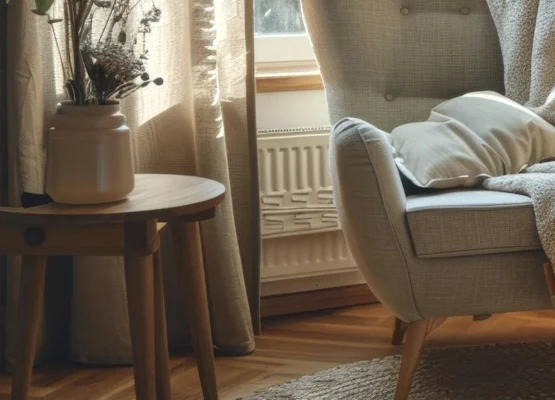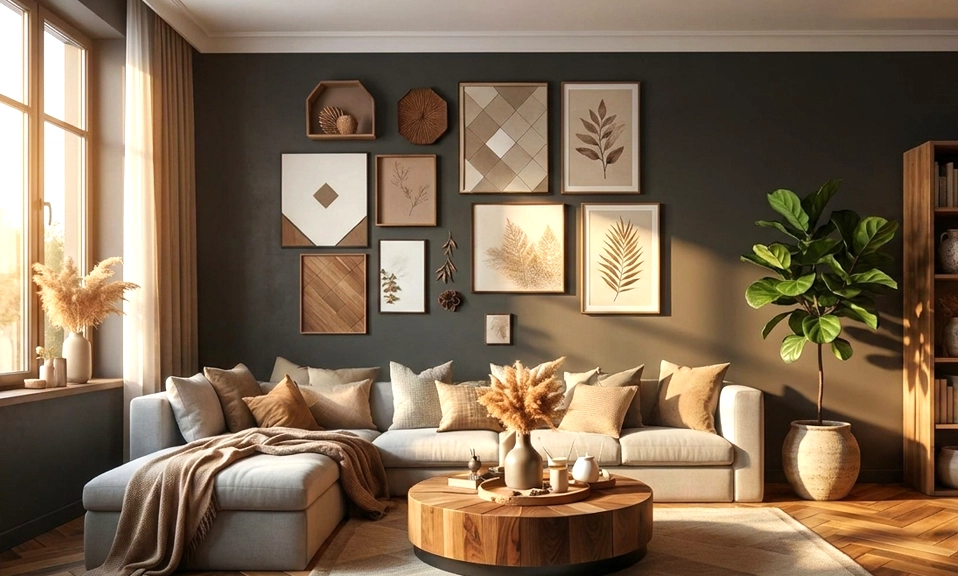
For a decade, our homes have been cooling down. The greige walls, the stark white kitchens, the minimalist interiors that looked beautiful in photographs but felt, well, a little cold to actually live in. In 2027, the temperature is rising. Designers are embracing richer colors, deeper textures, and interiors that feel like a warm embrace rather than a gallery exhibit. Here are the 10 trends making houses feel warmer, more soulful, and infinitely more stylish.
1. Warm Minimalism: The End of the Cold, Pared-Back Look
The Trend: Minimalism isn’t dead, but it’s gotten a major attitude adjustment. “Warm minimalism” is the defining aesthetic of 2027, prioritizing coziness and texture over stark emptiness.
Classic minimalism was about less — less color, less clutter, less warmth. Warm minimalism is about better. It’s characterized by neutral palettes, soft textures, and simple yet intentional décor to create a cohesive and calming atmosphere. Think chocolate brown sofas, limewashed walls, and layered cushions, as seen in the homes of Adam Levine and Behati Prinsloo.
The data backs it up: Google searches for “warm minimalism” have increased by 2,500% compared to 2025, and designers don’t expect it to fall out of favor anytime soon.
Why It Matters: This is the antidote to the sterile, hotel-lobby look that dominated interiors for years. It’s about creating a space that feels tranquil but also inviting — restrained but cushioned.
2. Deep Neutrals & Earthy Color Palettes: Say Goodbye to Greige
The Trend: The cool, sterile whites and grays that have dominated interiors for years are finally fading. In 2027, color palettes are shifting toward richer, warmer tones that create warmth and depth.
Think chocolate brown, taupe, mushroom, warm stone, deep olive, and smoky charcoal. These aren’t bright, loud colors — they’re deep neutrals that provide the calm versatility of a neutral palette while feeling considerably more cocooning and sophisticated.
The 2027 Color of the Year picks reflect this shift. Sherwin-Williams chose Celery, a soft, earthy green, while Behr went with Grounded, a mossy olive with brown undertones. Graham & Brown selected Rose Earth, a dusty clay pink that sits “right in the earthy warmth of the palette”.
Why It Matters: These colors work beautifully with timber, natural stone, and tactile fabrics, bringing warmth into every room. They feel grounded, organic, and livable in a way that cool greys never did.
3. Newstalgia: Vintage-Inspired Warmth for Modern Living
The Trend: “Newstalgia” is the design world’s answer to our growing desire for familiarity. It takes nostalgic references — vintage furniture, traditional patterns, timeworn materials, beloved colors, and design details from the past — and mixes them with contemporary pieces and modern ways of living.
Joanna Gaines’ Lake House living room is the blueprint: terracotta, olive, honeyed walnut, and cognac leather work together to give the space a sense of depth and warmth without feeling heavy. The room still has the clean lines of mid-century modern design, but softened by a warmer palette.
The ’70s are also making a major comeback, with warm wood, characterful furnishings, and Japandi accents influencing interiors in the coming year.
Why It Matters: After years of cool, pared-back neutrals, there’s a growing appetite for rooms that feel comforting, familiar, and deeply personal. Newstalgia delivers that emotional connection without sacrificing modern livability.
4. Warm Maximalism: Bold Color, Visible Personality
The Trend: Minimalism isn’t the only aesthetic getting a warm makeover. Maximalism is back — but not in the loud, cluttered way of the past. The American Society of Interior Designers identifies it as a cultural shift toward “saturated color, bold individuality, and visible personality”.
Think deep blues, crimson, berry, and rich red-violet shades adding warmth and drama, particularly when combined with timber, marble, mixed metals, and textured fabrics. Kaley Cuoco’s mustard velvet sofa is a perfect example: bold but somehow easy to live with, proving that a stronger color can work much like a neutral — as a foundation for the room rather than simply an accent.
Why It Matters: After years of pared-back spaces, there’s a growing desire for colors that bring warmth and personality while still offering plenty of flexibility. Warm maximalism is about curated, expressive spaces that tell a story.
5. Curved Forms: Softening the Edges of Modern Life
The Trend: Organic silhouettes remain popular because they create spaces that feel welcoming and relaxed. But in 2027, curves are becoming more intentional and architectural rather than just a shortcut to visual comfort.
Rounded sofas, curved kitchen islands, arched doorways, circular mirrors, and sculptural lighting soften hard architectural lines while introducing movement and visual flow throughout the home. The curve “is no longer a shortcut toward visual comfort, but an architectural decision”.
Why It Matters: Curves have a psychological effect — they make a space feel safer, more welcoming, and less rigid. In an increasingly stressful world, that’s not just an aesthetic choice. It’s a wellness choice.
6. Tactile Texture: It’s Not Just About What You See
The Trend: In 2027, it isn’t just about what your living room looks like — it’s about how it feels. Texture is becoming an essential part of creating a sophisticated and comfortable interior.
Bouclé seating, linen curtains, woolen rugs, woven baskets, velvet cushions, and tactile throws can all add dimension to a room. The key is layering different textures rather than relying on just one — pairing smooth wooden furniture with soft upholstery, or chunky knitted accessories with more refined materials.
“Natural wood grain, stone, ceramics, woven fibers, tactile fabrics, glass, and handcrafted pieces are replacing the very flat, uniform finishes that have dominated in recent years”.
Why It Matters: Texture is the secret ingredient that makes a room feel lived-in and loved. It’s what turns a house into a home.
7. Layered Lighting: Ditch the Single Overhead Light
The Trend: Single overhead lights are rapidly disappearing. Instead, interiors are embracing layered lighting that combines pendants, sconces, floor lamps, and concealed LEDs to create atmosphere throughout the day.
Designers use three layers: ambient light for overall glow, task light for reading or working, and accent light for art, shelves, and plants. Adjustable lighting also supports wellbeing by allowing homeowners to transition easily from productive mornings to restful evenings.
Why It Matters: Lighting is the most powerful tool you have to control the mood of a room. Layered lighting lets you go from bright and energetic to calm and cozy — without changing a single piece of furniture.
8. Natural Materials: Timber Is the New Neutral
The Trend: Wood cabinetry will continue to be a key feature as homeowners look for natural materials that bring warmth, texture, and character into the home. Pale woods have dominated interiors for years, but 2027 sees a shift toward richer, darker timber.
Walnut, mahogany, smoked oak, and deep-stained woods are bringing warmth and sophistication back into living spaces. Dark wood furniture instantly adds depth, particularly when paired with lighter upholstery, textured fabrics, or warm-toned walls.
Natural stone is also evolving from a practical finish into a statement feature. Marble, travertine, quartzite, and limestone will appear on coffee tables, kitchen islands, and sculptural furniture.
Why It Matters: Natural materials age gracefully and develop character over time. They’re sustainable, timeless, and they ground a space in something real.
9. The Return of the Dining Room & the “Cozymaxxing” Shift
The Trend: Dining rooms are back. Once rejected on the basis of their assumed stuffiness, homeowners are now bringing cozy, welcoming energy into these rooms with the increase in hosting at home as a trend.
This aligns with the broader “Cozymaxxing” and “hosting core” trends — a shift in how people are spending their time and money. “Going out is expensive; staying in has become more desirable,” explains Sarah Tarraf, Senior Vice President of Data Insights at Rocket.
The new dining room prioritizes spaces that feel like a hug — welcoming materials, natural wood, and organic textures.
Why It Matters: As the world gets more complicated, our homes are becoming more important. The dining room is no longer a formal, unused space. It’s where life happens.
10. Handmade & Artisan Pieces: Stories Over Showrooms
The Trend: Mass-produced accessories are giving way to handcrafted ceramics, woven textiles, bespoke furniture, and one-of-a-kind artworks. Homeowners increasingly want interiors that tell a story, reflecting local craftsmanship alongside meaningful pieces collected during travel.
The biggest trend for 2027 is individuality. It’s about working with the character your home already has, making the most of awkward spaces, and finding beauty in the everyday.
Why It Matters: After years of Instagram-driven sameness, people are craving authenticity. Handmade pieces bring soul, imperfection, and human touch into a space — the very opposite of the cold, gray, mass-produced look.
The shift away from cold,
gray interiors isn’t just a passing trend. It’s a correction. It’s a collective exhale after years of trying to make our homes look like showrooms instead of places where people actually live.
The 2027 home is warmer, deeper, more textured, and more personal. It embraces rich neutrals over stark whites, curves over hard edges, layered lighting over single overhead bulbs, and meaningful collections over perfectly curated shelves.
Most importantly, it feels like home — not like a catalog.
The gray era is over. The warm era has begun.