Open any health app, scroll through fitness TikTok, or walk down the supplement aisle in 2027, and you’ll be hit with a clear message: Protein is king.
From high-protein bread to protein-fortified water, the fitness and wellness industries have successfully convinced us that if we aren’t consuming 40 grams of protein at every meal, we’re failing our bodies.
But meanwhile, in the realms of longevity research and gastroenterology, a quieter, more profound revolution is taking place. Scientists are sounding the alarm about a different, far more neglected nutrient: Dietary Fibre.
With the global “fibre gap” widening (most adults consume barely half the recommended daily amount), a pressing question emerges for anyone trying to optimize their health: If you can only focus your dietary energy on one, should it be protein or fibre?
Let’s break down the science, compare their superpowers, and reveal the ultimate verdict on which nutrient deserves the top spot on your plate this year.
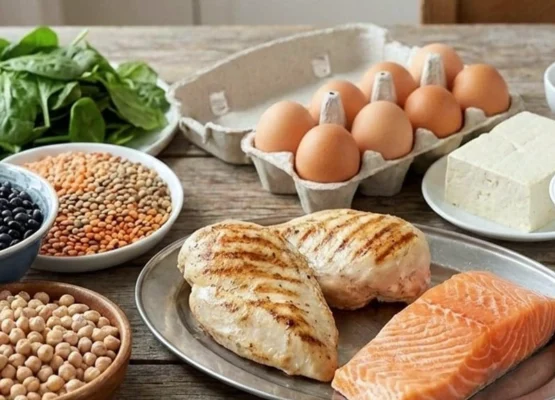
🥩 The Case for Protein: The Body’s Master Builder
Protein is the fundamental building block of life. It’s not just for bodybuilders; it’s essential for everyone.
Why it matters:
- Muscle Preservation & Longevity: As we age, we naturally lose muscle mass (sarcopenia). Adequate protein intake, paired with resistance training, is the number one defense against frailty and metabolic decline in later life.
- The Thermic Effect: Protein requires more energy for your body to digest than carbs or fats, giving your metabolism a slight, natural boost.
- Satiety: Protein is highly effective at triggering the release of satiety hormones (like PYY and GLP-1), helping you feel full and reducing overall calorie intake.
The 2027 Reality Check: While protein is crucial, most people in developed nations are already getting enough total protein. The real issue is distribution. Eating 10g at breakfast, 15g at lunch, and 60g at dinner is far less effective for muscle synthesis than spreading 30g evenly across three meals.
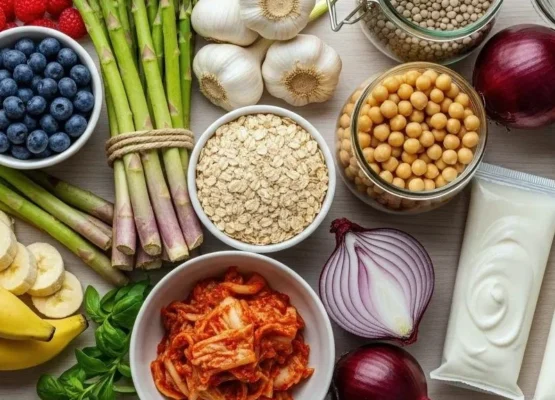
🌾 The Case for Fibre: The Body’s Ultimate Protector
If protein is the builder, fibre is the maintenance crew, the security system, and the waste management department all rolled into one. And we are severely under-funding it.
Why it matters:
- The Microbiome Multiplier: Fibre is the primary food source (prebiotic) for the trillions of beneficial bacteria in your gut. A diverse, fibre-rich diet leads to a diverse microbiome, which is now linked to everything from robust immunity to improved mood and reduced inflammation.
- Blood Sugar & Heart Health: Soluble fibre forms a gel-like substance in the gut, slowing down the absorption of sugar and cholesterol. This prevents the dreaded post-meal energy crash and actively protects your cardiovascular system.
- The Satiety Secret: Fibre adds bulk to your meals without adding calories, physically stretching the stomach and sending “I’m full” signals to your brain.
The 2027 Reality Check: The recommended daily intake is 25–38 grams, yet the global average hovers around 15 grams. This “fibre gap” is a primary driver of the modern epidemics of constipation, metabolic syndrome, and gut dysbiosis.
⚔️ Head-to-Head: The Nutrient Showdown
Health Goal | The Winner | Why? |
|---|---|---|
Building Muscle | Protein | Fibre doesn’t build muscle tissue; amino acids do. Non-negotiable. |
Gut Health & Digestion | Fibre | Protein alone (especially from processed meats) can stagnate digestion. Fibre keeps things moving and feeds good bacteria. |
Weight Management | Tie (Synergy) | Protein reduces appetite hormonally; fibre reduces it physically. Together, they are unstoppable. |
Blood Sugar Stability | Fibre | Fibre actively blunts the glucose spike of a meal. Protein helps, but fibre is the primary regulator. |
Longevity & Disease Prevention | Fibre | High fibre intake is consistently correlated with a lower risk of all-cause mortality, colon cancer, and heart disease. |
🏆 The Verdict: It’s a False Dichotomy (But With a Catch)
Asking whether you should prioritize protein or fibre is like asking whether you should prioritize the engine or the oil in your car. You need both to run smoothly.
However, if we look at the average modern diet, there is a clear winner for where you should focus your immediate attention: Fibre.
Here’s why: Most people are already hitting their baseline protein needs, but they are chronically, dangerously low on fibre. If you switch from a low-fibre diet to a high-fibre diet, you will likely see more dramatic improvements in your digestion, energy levels, cholesterol, and blood sugar than you will from simply adding another protein shake to your day.
But the ultimate 2027 health hack isn’t choosing between them. It’s combining them.
When you eat protein and fibre together, magic happens. The fibre slows the digestion of the meal, which leads to a slower, more sustained release of amino acids into your bloodstream. You get the muscle-building benefits of the protein, without the heavy, sluggish feeling or the blood sugar spike.
🛠️ How to Prioritize Both (The “Power Pairing” Strategy)
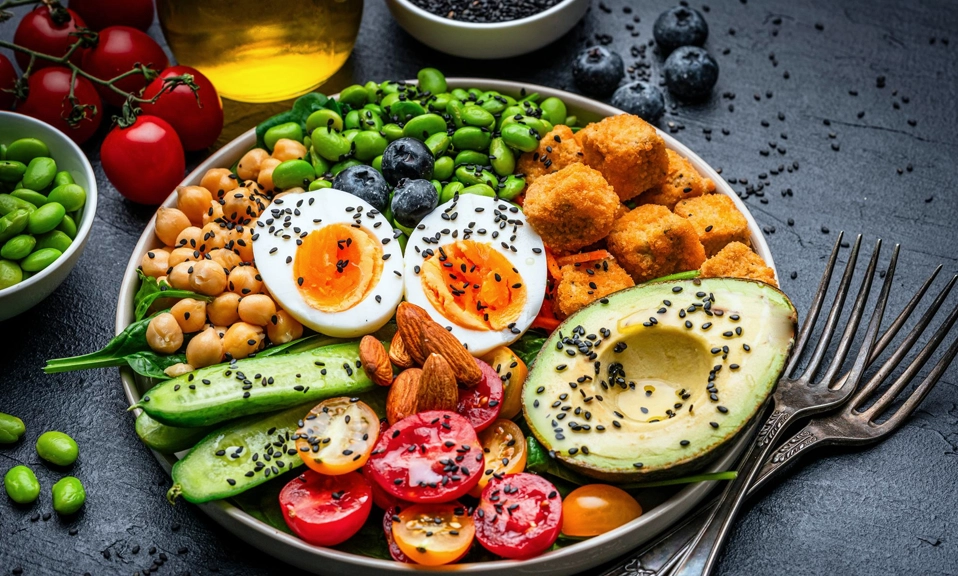
You don’t need to overcomplicate your diet or buy expensive supplements. The secret is to focus on Protein-Fibre Powerhouses—whole foods that naturally deliver a massive punch of both.
1. The Plant-Based Heavyweights: Lentils, chickpeas, black beans, and edamame are nature’s perfect multivitamins. A single cup of cooked lentils provides ~18g of protein and ~15g of fibre.
2. The Seed & Nut Boosters: Chia seeds, hemp hearts, and almonds. Just two tablespoons of chia seeds pack 5g of fibre and 4g of protein. Sprinkle them on everything.
3. The “Add-On” Rule: Never eat a “naked” carbohydrate or protein.
- Having an apple (fibre)? Add a handful of almonds (protein/fat).
- Having Greek yoghurt (protein)? Add a tablespoon of ground flaxseed and some berries (fibre).
- Having chicken breast (protein)? Ensure half your plate is roasted broccoli or Brussels sprouts (fibre).
4. Aim for the “30-Plant” Weekly Goal: Instead of obsessing over exact gram counts of fibre, aim to eat 30 different plant foods (fruits, vegetables, nuts, seeds, legumes, whole grains) per week. This naturally guarantees high fibre intake and diverse microbiome support, while plant proteins quietly stack up in the background.
Build and Protect
The wellness pendulum is swinging. We are moving away from the hyper-processed, protein-obsessed diet culture of the 2010s and into an era of holistic, gut-centric, longevity-focused nutrition.
Protein will always be essential for building and repairing the temple. But fibre is what keeps the temple’s foundation strong, the doors open, and the environment thriving.
Stop viewing them as competitors. Start pairing them. Your muscles, your metabolism, and especially your gut microbiome, will thank you.