The textured French bob is having a moment. It’s the cut that celebrity stylists are calling the defining short hairstyle of 2026 — a softer, more lived-in take on the classic Parisian chop that feels effortless rather than over-styled. But the secret to making it work isn’t just asking for the trend by name; it’s about tailoring the cut to your face shape and hair type so it looks like it was made for you.
Here’s everything you need to know before you sit in the chair.
What Exactly Is a Textured French Bob?
A classic French bob sits around the jawline or slightly above it, creating a compact, strong silhouette. The textured version relaxes that shape. Instead of a sharp, precise line, the emphasis is on movement, softness, and a slightly undone finish. It looks like you woke up with it — even though your stylist did all the work.
“It’s one of those haircuts that never really goes out of style — there’s something about it that looks effortlessly cool,” says celebrity hairstylist Mark Hill. The key is strategic shaping: the stylist adds subtle texture to keep the bob from looking heavy, so the cut feels airy and natural.
Why It’s Everywhere in 2026
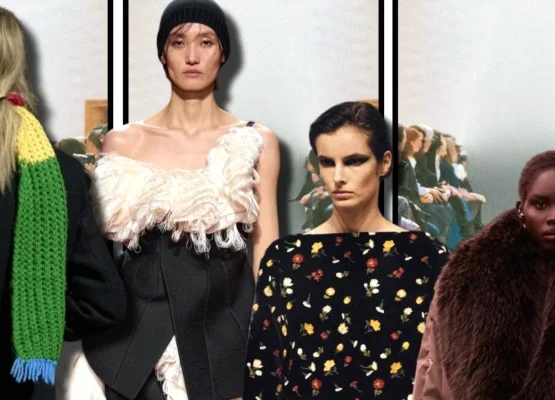
The textured French bob has been building momentum all year. It was a fixture at Paris Fashion Week, and it’s been co-signed by everyone from Scarlett Johansson to Halle Berry and Naomi Watts. In autumn, it becomes particularly appealing: it makes a statement without feeling too dramatic, and it pairs beautifully with chunky knits and big scarves without competing with your wardrobe.
It also offers a gentle way to go short. If you’re not ready for a dramatic chop, a stylist can start with a longer interpretation and take it shorter over time — “dipping your toe in” rather than diving headfirst.
How to Choose the Right Cut for Your Face Shape
The beauty of the textured French bob is its versatility, but that also means the consultation matters more than usual. Here’s how to tailor it:
Oval, Heart, or Square Faces
These shapes are the most naturally suited to the French bob. For square faces, soft face-framing layers can soften angular features; for round faces, a split fringe or slightly longer face-framing pieces can elongate the face.
Round Faces
Avoid a blunt, chin-length cut that ends exactly at the widest part of your face. Instead, ask for a split fringe or longer face-framing layers that create vertical lines and draw the eye downward.
Long or Angular Faces
A fuller, wider fringe can help shorten a longer face shape. Avoid excessive volume at the crown, which can make the face look longer.
Fine or Thinning Hair
Keep the perimeter blunt rather than over-layering. A stronger baseline creates the illusion of fullness and density. Too much texture can make fine hair look wispy rather than effortless.
Thick or Heavy Hair
This is where the textured French bob shines. Soft internal layers remove weight, improve manageability, and prevent the “boxy” look that a blunt bob can create on thick hair.
Wavy or Curly Hair
Embrace your natural pattern. A stylist should cut the bob to work with your waves or curls, not against them. A diffuser becomes your best friend for styling — it dries the hair without frizz and encourages natural movement.
What to Ask For in the Salon
Bring reference images that match your natural texture — not someone with a completely different hair type. Ask your stylist:
Where the length will sit (cheekbone, jawline, or slightly below).
Whether you need a fringe, and if so, what shape suits your face.
How much texture they’ll add — enough for movement, but not so much that the shape collapses.
How often you’ll need trims to maintain the cut.
“The important part is that the ends shouldn’t be too blunt or uniform,” says hairstylist Fabian Lliguin. “A little irregularity gives the hair that French, undone quality”.
Styling at Home: Keep It Effortless
The textured French bob is designed to be low-maintenance, but a little product helps.
Start with damp hair. Apply a lightweight styling mousse or texture spray to the roots for volume, and a small amount of styling cream through the mid-lengths and ends to define the texture without crunch.
If you have waves or curls, use a diffuser. Rough-dry with your hands first, then diffuse to encourage natural movement and prevent frizz.
If your hair is straight, use a styling tool to create a few loose, irregular bends. Avoid uniform waves — the goal is “undone,” not “curled”.
Don’t over-style. The whole point is that it looks like you didn’t try too hard. A little texture spray or dry shampoo at the roots is often all you need to refresh it on day two.
The textured French bob
is more than a trend. It’s a shape that can be adapted to almost anyone — oval, round, square, fine, thick, straight, or curly — as long as the cut is personalised rather than copied from a photo. The secret isn’t the length. It’s the texture, the softness, and the way the stylist shapes the cut to work with your hair, not against it.
If you’ve been thinking about going shorter, this is the cut that makes the leap feel effortless. And if you already have a bob, it’s the upgrade that makes it feel new again.
Ready to book the appointment? Bring your reference photos, be honest about your styling routine, and trust your stylist to tailor the cut. The best French bob is the one that looks like it was made for you — because it was.