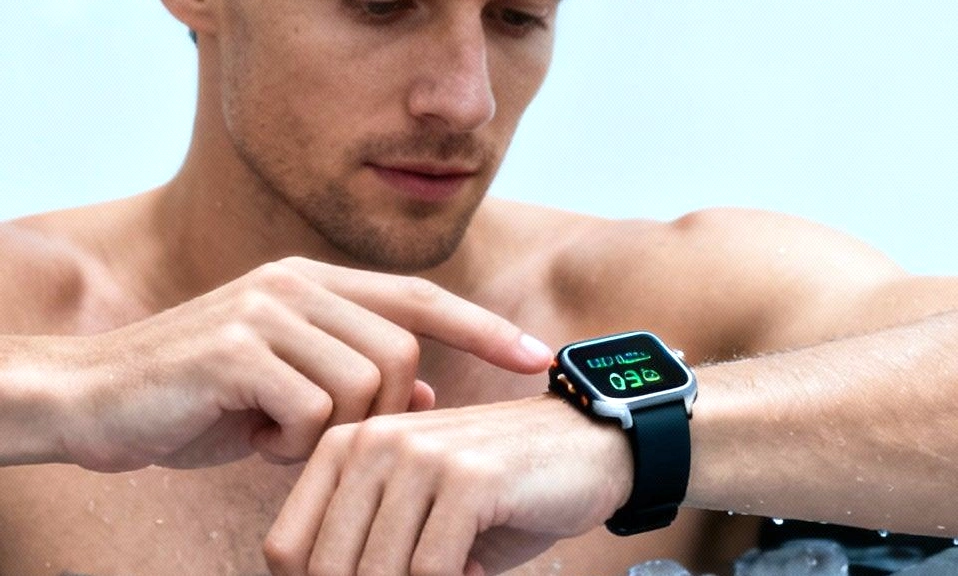
Wellness in 2026 has a distinct personality: it is measurable, habitual, and slightly obsessive. People are no longer just “trying to be healthier.” They are tracking sleep stages, timing cold exposure, monitoring heart-rate zones, and optimizing protein and fiber like amateur sports scientists. Some of it is genuinely useful. Some of it is expensive theater. The trick is telling the difference.
Here are five wellness trends dominating conversations in 2026—what they are, why they are popular, what the evidence actually supports, and how to try them without turning your life into a lab experiment.
1. Cold Plunges: The Trend That Refuses to Cool Down
Cold-water immersion has moved from elite sport and biohacker culture into gyms, spas, and backyard tubs. In 2026, the question is no longer “should I try it?” It is “how cold, how long, and what am I actually getting out of it?”
What it is: Immersing the body in cold water—typically 10–15°C (50–59°F) for 2–10 minutes—either in a dedicated plunge tub, a cold bath, or open water.
Why it is popular: The immediate rush of adrenaline and dopamine is real, and the ritual feels powerful. Advocates credit it with improved mood, reduced inflammation, faster recovery, and mental resilience.
What the evidence says: Cold water immersion can reduce perceived muscle soreness and may improve mood through neurochemical effects. But the evidence for long-term “recovery” benefits is mixed, and studies often use different temperatures and durations. Claims about boosting immunity or “resetting” the nervous system are overstated. Cold plunging is not a substitute for sleep, nutrition, or actual recovery.
Caveats: Cold shock can be dangerous for people with heart conditions, and open-water plunging carries drowning risk. Never plunge alone in open water, and start with short exposures. The afterdrop—continued cooling after you exit—is real, so warm up gradually.
How to try it: Start with 30 seconds of cold showering at the end of a normal shower. Build tolerance before attempting full immersion. Keep sessions short, and do not chase extreme temperatures.
2. Sleep Tracking: The Double-Edged Sword
Sleep has become the wellness metric of the moment. Wearables now report sleep stages, heart-rate variability, oxygen saturation, and “sleep scores” with a precision that feels medical. The result is a culture of “sleepmaxxing”—optimizing every variable from room temperature to magnesium intake.
What it is: Using a smartwatch, ring, or mattress sensor to track sleep duration, stages, and disturbances, then adjusting behavior based on the data.
Why it is popular: Sleep is foundational to everything—mood, metabolism, immunity, cognition—and tracking makes it feel controllable. For people with irregular schedules or suspected sleep issues, the data can be genuinely illuminating.
What the evidence says: Wearables are reasonably good at estimating total sleep time and can help identify patterns. But they are less accurate at classifying sleep stages, and they can trigger “orthosomnia”—anxiety about sleep that makes sleep worse. A single bad night is noise; a consistent trend is signal.
Caveats: Do not let a device dictate how you feel. If you slept well but your ring says your “readiness” is low, trust your body. If you suspect sleep apnea—loud snoring, gasping, daytime fatigue—see a doctor rather than relying on a consumer device.
How to try it: Use tracking for 2–4 weeks to establish a baseline, then check the trend weekly rather than nightly. Focus on consistent sleep and wake times, dark and cool bedrooms, and limiting alcohol and late caffeine. The data should inform habits, not replace them.
3. Zone 2 Cardio: The “Boring” Exercise That Works
Zone 2 training—sustained aerobic exercise at a conversational pace—has become the default recommendation for people who want to improve long-term health without burning out. It is low-intensity, high-consistency, and stubbornly unglamorous.
What it is: Exercise performed at an intensity where you can still hold a conversation but would prefer not to—roughly 60–70% of maximum heart rate. Think brisk walking uphill, easy cycling, slow jogging, or rowing.
Why it is popular: It is accessible, sustainable, and backed by decades of exercise physiology. It improves mitochondrial function, fat oxidation, and cardiovascular efficiency. Unlike high-intensity interval training, it does not leave you wrecked, which makes it easier to do consistently.
What the evidence says: Zone 2 training is a cornerstone of endurance training and is strongly associated with improved metabolic health and cardiovascular fitness. However, the precise “zone” varies by individual, and wearable estimates can be inaccurate. The talk test—can you speak in full sentences?—is often more reliable than a watch.
Caveats: Zone 2 is not a magic bullet. It should be part of a broader routine that includes strength training and some higher-intensity work. If you are new to exercise, start with walking and build gradually.
How to try it: Aim for 150 minutes per week of moderate activity, as recommended by public health guidelines. Use the talk test. If you cannot speak comfortably, slow down. If you can sing, speed up.
4. Creatine for Women: The Supplement That Outgrew the Gym
Creatine monohydrate was once synonymous with male bodybuilders. In 2026, it is being widely discussed by women—not just athletes, but people focused on healthy aging, cognition, and hormonal transitions.
What it is: A naturally occurring compound found in muscle and brain tissue, also available as a cheap, well-studied supplement. It helps regenerate ATP, the body’s energy currency.
Why it is popular: The evidence for creatine’s benefits in strength, power, and muscle mass is among the strongest of any supplement. Emerging research suggests potential benefits for cognition, mood, and bone health, particularly in women during perimenopause and menopause. It is also inexpensive and has a strong safety record.
What the evidence says: Creatine monohydrate is one of the most studied supplements in sports nutrition, with consistent evidence for improving strength and lean mass when combined with resistance training. Evidence for cognitive benefits is promising but less definitive. The common fear that creatine causes bloating or kidney damage is not supported in healthy people at recommended doses.
Caveats: People with kidney disease should consult a doctor. The standard dose is 3–5 grams per day; “loading” is optional. Buy from a reputable brand that uses Creapure or similarly tested creatine monohydrate.
How to try it: Take 3–5 grams daily, with or without food. Consistency matters more than timing. Pair it with resistance training for the strongest evidence-based benefits.
5. Fibermaxxing and Gut Health: The Least Glamorous Trend That Actually Matters
While protein gets the spotlight, fiber has quietly become the wellness world’s favorite underdog. “Fibermaxxing”—deliberately increasing fiber intake for gut health, satiety, and metabolic benefits—is showing up in social feeds alongside fermented foods, probiotics, and gut-microbiome testing.
What it is: Increasing dietary fiber from whole foods—vegetables, fruits, legumes, whole grains, nuts, and seeds—to support digestion, blood sugar regulation, and the gut microbiome.
Why it is popular: Gut health has become a gateway to overall health, and fiber is the most direct, affordable way to feed beneficial gut bacteria. It also improves satiety, which helps with weight management.
What the evidence says: High fiber intake is associated with reduced risk of cardiovascular disease, type 2 diabetes, and colorectal cancer. Most adults fall short of the recommended 25–30 grams per day. Fiber supplements can help, but whole foods are preferable because they provide a range of nutrients and phytochemicals.
Caveats: Increase fiber gradually and drink enough water to avoid bloating and constipation. People with certain gastrointestinal conditions should consult a healthcare provider. Probiotic supplements are not a substitute for a fiber-rich diet.
How to try it: Add one serving of legumes, berries, or vegetables to a meal each day. Aim for 25–30 grams daily. Track loosely for a week if you are curious—most people are surprised by how low their intake is.
The 2026 wellness landscape
is defined by a desire for control and evidence—sometimes in equal measure, sometimes not. Cold plunges offer a mood boost but are not a cure-all. Sleep tracking can reveal patterns but can also create anxiety. Zone 2 cardio is unglamorous and effective. Creatine is cheap, well-studied, and increasingly relevant for women. Fiber is the least exciting trend and arguably the most important.
The common thread is that none of these trends replaces the fundamentals: sleep, movement, a varied diet, and social connection. The best wellness trend is the one you can sustain without turning your life into a spreadsheet. Use the data, enjoy the ritual, and ignore the hype.