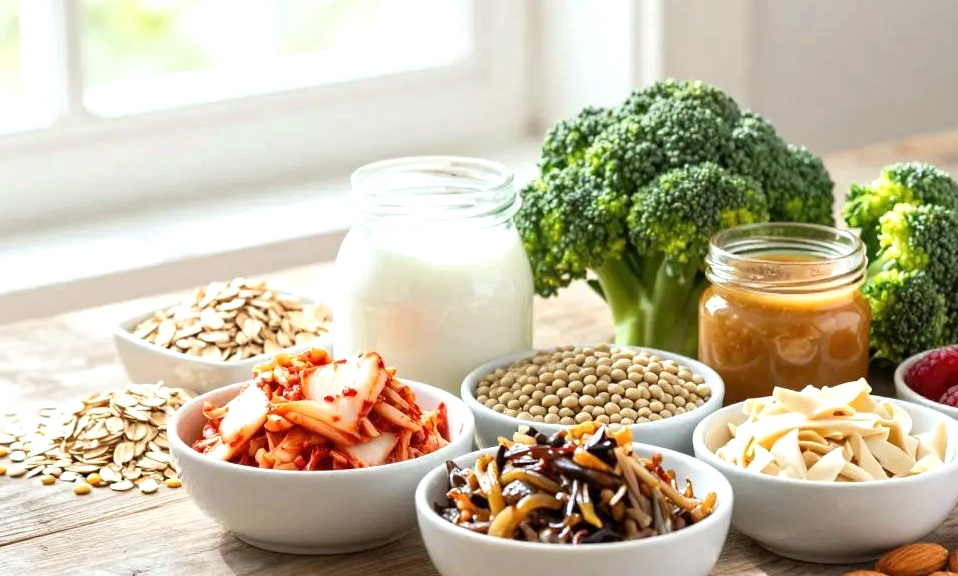
Your gut is not just a digestion tube. It is an ecosystem — trillions of bacteria, fungi, and other microorganisms working together to break down food, produce vitamins, regulate your immune system, and even influence your mood. When that ecosystem is balanced, you feel it: regular digestion, steady energy, fewer bloating days. When it is not, you feel that too.
The good news is that you do not need exotic supplements or expensive “gut detox” programs to support it. Some of the most effective foods for your gut are already in your kitchen — or should be. Here are seven everyday foods, backed by research and recommended by dietitians and gastroenterologists, that may help your digestive system do its job.
First, a Quick Primer: What Your Gut Actually Needs
Before the food list, it helps to understand what you are feeding.
Your gut bacteria thrive on two main things: fiber and fermented foods.
Fiber is the part of plant foods your body cannot digest. But your gut bacteria can. When they ferment fiber, they produce short-chain fatty acids (SCFAs) like butyrate, which nourish the cells lining your colon, reduce inflammation, and help keep your gut barrier intact. Most adults should aim for 25–30 grams of fiber a day, but the average intake is closer to 15 grams.
Fermented foods contain live microorganisms — probiotics — that can complement the bacteria already living in your gut. Research suggests that regular intake of fermented foods is linked to greater microbiome diversity and improved digestive health.
The best approach is not to obsess over one “superfood” but to eat a variety of fiber-rich plants and fermented foods. Diversity of plant foods is one of the strongest predictors of a healthy gut microbiome.
With that in mind, here are seven everyday foods worth adding to your rotation.
1. Yogurt (and Kefir)
What it does: Yogurt is a fermented dairy product containing live and active cultures — beneficial bacteria that may support digestion. These cultures also help break down lactose, which is why some people with lactose intolerance can tolerate yogurt more comfortably than milk. Kefir, a fermented milk drink, is an even more potent source of probiotics and has been linked to improved microbiome diversity.
What the research says: Studies suggest fermented dairy foods like yogurt and kefir may complement the beneficial bacteria already living in the gut and are associated with improved digestive health.
How to eat it: Choose plain yogurt to limit added sugar, and consider Greek yogurt for extra protein — a single-serve container offers roughly 15–20 grams. Add it to smoothies, use it as a base for overnight oats, or dollop it over berries. Kefir works well in smoothies or as a quick drink on its own.
A note: If you are dairy-free, there are plant-based yogurts with live cultures, but check the label to confirm the cultures are present.
2. Oats
What it does: Oats are rich in beta-glucan, a type of soluble fiber that forms a gel in your digestive tract. Gut bacteria ferment beta-glucan, making it a prebiotic — food for the beneficial microbes in your colon.
What the research says: Whole grains like oats are associated with higher levels of beneficial bacteria such as Bifidobacteria and Lactobacilli, and with greater microbial diversity — a marker of a healthier gut ecosystem.
How to eat it: Rolled oats are the least processed and retain the most fiber. Make overnight oats with Greek yogurt, berries, and chia seeds, or add a scoop of oats to your morning smoothie for extra fiber and creaminess.
A note: If you have celiac disease or gluten sensitivity, choose certified gluten-free oats.
3. Berries
What it does: Berries are one of the easiest ways to add fiber to your diet. One cup of raspberries provides about 8 grams of fiber — close to a third of what many adults need daily. They also contain polyphenols, plant compounds that travel to the colon where gut bacteria break them down. Early research suggests this process may help support a healthy balance of gut microbes.
What the research says: Raspberries, in particular, contain phenolic compounds that can act as prebiotics, feeding beneficial bacteria. Blueberries and blackberries are rich in anthocyanins, antioxidants that give them their deep color.
How to eat it: Fresh or frozen, berries work in yogurt, oatmeal, smoothies, or as a snack on their own. Frozen berries are just as nutritious and often more affordable.
4. Kiwi
What it does: Kiwi is something of a secret weapon for digestion. It is rich in fiber, has a high water content, and contains an enzyme called actinidin that may help break down protein and support smoother digestion.
What the research says: Studies have found that eating two green kiwis a day may increase bowel movement frequency in people with constipation. Gastroenterologists have called it “elite for constipation and bloating”.
How to eat it: Slice it into yogurt or oatmeal, blend it into a smoothie, or simply scoop it with a spoon. Green kiwi is the most studied variety for digestive benefits.
A note: If you have a latex allergy, you may also react to kiwi — check with your doctor if you are unsure.
5. Legumes (Beans, Lentils, Chickpeas)
What it does: Legumes are among the richest sources of fiber in the human diet. They contain both soluble and insoluble fiber, along with resistant starch — a type of carbohydrate that escapes digestion and ferments in the colon, feeding beneficial bacteria.
What the research says: Diets higher in fiber from sources like beans, lentils, and whole grains are linked with a lower risk of colorectal cancer. Legumes are also a staple in the diets of gastroenterologists who prioritize gut health.
How to eat it: Lentils cook quickly and work in soups, stews, and salads. Canned beans and chickpeas are convenient — rinse them well to reduce sodium. If you are not used to eating legumes, start with small portions and increase gradually to avoid bloating.
A note: If you have IBS, some legumes may trigger symptoms. A dietitian can help you find tolerable options.
6. Broccoli and Broccoli Sprouts
What it does: Broccoli and broccoli sprouts are rich in sulforaphane, a plant compound that supports liver health and the body’s natural detoxification systems. The liver plays an important role in bile acid production, which helps digest fats and affects overall digestion and gut health.
What the research says: Sulforaphane may also reduce gut inflammation and influence the balance of gut bacteria.
How to eat it: Roast broccoli with olive oil and salt, steam it as a side, or add raw broccoli sprouts to sandwiches, grain bowls, or tacos for a peppery crunch.
A note: Cruciferous vegetables can cause gas in some people, especially when eaten raw. Cooking them lightly can make them easier to digest.
7. Onions (and Garlic)
What it does: Onions are a good source of prebiotic fibers such as inulin and fructooligosaccharides (FOS), which feed beneficial gut bacteria. They also contain quercetin, an antioxidant that emerging animal studies suggest may improve gut integrity. Garlic is another prebiotic-rich allium, contributing fructans that serve as fuel for good bacteria.
What the research says: Prebiotic fibers like inulin and FOS increase SCFA production, support gut microbiota, improve digestive function, and may even support immune health.
How to eat it: Onions and garlic are foundational in cooking — use them as a base for soups, stews, sauces, and stir-fries. Raw onion in salads or sandwiches adds a sharper prebiotic punch.
A note: If you are sensitive to FODMAPs (fermentable carbohydrates that can cause bloating in some people), onions and garlic are common triggers. A low-FODMAP approach may be helpful, but it should be guided by a dietitian.
The Pattern: Variety Beats Perfection
Notice what these seven foods have in common. They are not exotic. They are not expensive. They are not “superfoods” in the marketing sense. They are fiber-rich plants and fermented foods — the two categories that research consistently links to a healthier gut.
And the most important factor is not any single food. It is variety. A 2026 study from King’s College London and ZOE found that eating a diverse range of over 30 different plants per week led to more favorable changes in the gut microbiome than a probiotic supplement. “Plants” includes vegetables, fruits, nuts, seeds, herbs, spices, and whole grains — not just the green things on your plate.
You do not need to count to 30. You just need to eat more different kinds of plants, more often.
A Word of Caution
This article is not medical advice. If you have a diagnosed digestive condition — IBS, IBD, celiac disease, or any other — individual foods may affect you differently. Fiber intake should be increased gradually, with plenty of water, to avoid discomfort. And if you experience persistent digestive symptoms, talk to a healthcare provider or a registered dietitian who can tailor recommendations to your needs.
Your gut is not a problem
to be solved with a pill or a detox. It is an ecosystem to be fed. Yogurt and kefir for probiotics. Oats, berries, kiwi, legumes, broccoli, and onions for fiber and prebiotics. A variety of plants for diversity. And consistency, not perfection.
You do not need to overhaul your diet overnight. Start with one food from this list. Add it to a meal you already eat. Then add another. Your gut bacteria will respond — and so will you.