For decades, the food industry sold us convenience. The promise was simple: less time in the kitchen, more time for everything else. But a growing number of people are looking at the ingredient list on the back of the packet and asking a question the industry never expected: what exactly am I eating?
In 2026, that question has become a movement. The backlash against ultra-processed foods (UPFs) is no longer a niche concern for the health-obsessed. It has entered the mainstream, reshaping shopping habits, forcing supermarkets to change their shelves, and sending the food industry scrambling to respond. Consumers are not just questioning what is in their food—they are questioning how it was made, why it was made that way, and who benefits from their confusion.
The shift is being driven by a powerful combination of science, storytelling, and a deep-seated desire for something real.
The Science: What We Now Know About UPFs
The term “ultra-processed food” comes from the NOVA classification system, which categorises foods by the degree of industrial processing they have undergone. UPFs are not just “processed”—they are industrial formulations typically containing ingredients rarely used in home kitchens, such as emulsifiers, stabilisers, colourants, flavour enhancers, and synthetic preservatives.
For years, the link between UPFs and poor health was suggestive but not definitive. In 2026, the evidence is much harder to ignore.
A study presented at the American College of Cardiology found that people who consumed more than nine servings of UPFs per day were 67% more likely to suffer a major cardiac event than those who consumed about one serving per day. Each additional daily serving was associated with a 5.1% increased risk—and the association held even after controlling for overall diet quality, calories, and common risk factors like diabetes and high blood pressure.
The European Society of Cardiology reached a similar conclusion. A comprehensive report published in the European Heart Journal found that adults with the highest UPF consumption had up to a 19% higher risk of heart disease, a 13% higher risk of atrial fibrillation, and up to a 65% increased risk of cardiovascular death.
And a study of nearly 48,000 adults published in the American Journal of Public Health found that every 10% of energy supplied from UPFs was associated with higher BMI, higher HbA1c, higher diastolic blood pressure, and a greater prevalence of metabolic syndrome, diabetes, and cancer. Crucially, these associations were only partly explained by nutritional quality—suggesting that the processing itself, not just the sugar, salt, and fat, may be part of the problem.
“The findings suggest that ultra-processed foods may contribute to cardiovascular risk through mechanisms beyond excess calories or poor overall diet quality,” said Amier Haidar, the lead author of the ACC study.
The Consumer Shift: From Convenience to Connection
The science has provided the evidence. The consumers have provided the response.
In the UK, 93% of consumers are now aware of UPFs, 71% are concerned about their health impact, and 61% plan to cut back in 2026. In the first two months of the year alone, £150 million of food and drink spend shifted away from UPFs—a change driven not by regulation or hypothetical risk, but by shoppers acting on their own concerns.
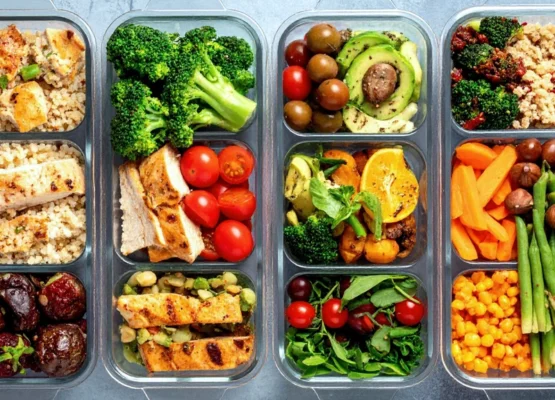
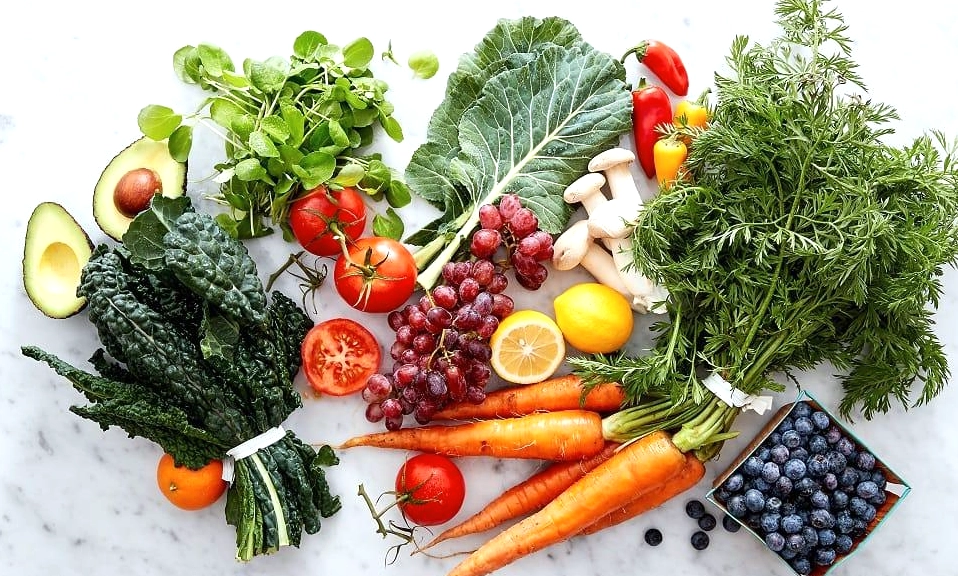
The shift is visible in what people are buying. Nearly half of consumers globally purchased more fresh, unprocessed foods over the past year than they did in the previous twelve months, and around 30% are actively reducing the amount of processed food they buy. The foods that are making a comeback are the ones our grandparents would have recognised: sourdough bread, blocks of butter, extra-virgin olive oil, beans, and colourful vegetables.
Sourdough, once a bougie curiosity, now accounts for one in every 13 bread products sold in the UK, with volume demand soaring by more than 40%. Searches for flavoured butter jumped by 103% at Sainsbury’s. These are not the choices of a fringe movement. They are the choices of a mainstream public that has decided that real food is worth the effort.
The Drivers: Books, Social Media, and a Crisis of Trust
Why now? Why did the UPF backlash reach a tipping point in 2026?
Part of the answer is that the message finally found its messengers. Books like Ultra-Processed People by Chris van Tulleken brought the issue into mainstream discussion, translating complex nutritional science into a compelling and accessible argument. Social media amplified it. Family meals have been trending on platforms like TikTok and Instagram, suggesting that many consumers still see traditional ways of eating as desirable, even aspirational. Clean eating is now the number one diet trend of 2026, outpacing anti-inflammatory and plant-based diets and powering sales of clean-label products.
But the deeper driver is trust—or the lack of it. Consumers are increasingly sceptical of the motives of large-scale food corporations. They suspect that the convenience they have been sold comes at the expense of nutrition, and that the complexity of modern food labels is designed to obscure rather than inform. “Consumers are learning to look beyond marketing terms such as ‘natural,’ ‘clean,’ or ‘plant-based,’ and instead evaluate how foods are actually made”.
The Industry Response: Reformulation and Retreat
The food industry has noticed. And it is changing—sometimes voluntarily, sometimes under pressure.
Tesco, the UK’s largest supermarket, announced in September 2026 that it had banned or restricted 114 food additives in its own-brand products as part of a major clampdown on UPFs. “UPFs have moved very much beyond trend territory,” said Alice Ritchie, Tesco’s head of healthy and sustainable diets. “Customers are talking about UPFs more than ever before, reading ingredients lists and asking for more transparency”.
M&S launched its “Only…” range, made with a small number of naturally sourced, recognisable ingredients and minimal processing. Waitrose is witnessing the same trend. “Customers are making more conscious choices about foods and, more than ever, are turning back to ‘whole’ ingredients,” said Dr Joanne Lunn, the chain’s head of health and nutrition.
The reformulation is happening across the industry. Manufacturers are shortening ingredient lists, removing stabilisers and emulsifiers, and simplifying formulations. The global wellness conversation has shifted, and the companies that ignore it risk losing the trust of a public that has become far more attentive to what it eats.
The Winners and Losers
The backlash is producing clear winners and losers.
The winners are natural foods. Conventional meat and dairy are gaining as consumers grow sceptical of ultra-processed plant-based alternatives. Sales of whole milk have grown, while semi-skimmed and skimmed have declined. Whole, recognisable ingredients—bread, butter, beans, vegetables—are back in favour.
The losers are not always the obvious ones. Plant-based meat companies like Beyond Meat have seen falling sales, which some attribute to the perception of their products as ultra-processed. But there is a paradox: brands that are overtly positioned as healthy may also be losers. “Brands positioned as healthy are likely to see more scrutiny than others,” said Kiti Soininen of Mintel. Eighty-six percent of “dedicated healthy eaters” avoid UPFs, compared with just 13% of those who rarely eat healthily. The more you care about health, the more you scrutinise the label.
The Challenges: Cost, Confusion, and the Convenience Trap
The return to real food is not without its obstacles.
Cost is the biggest barrier. While 61% of UK adults plan to reduce their UPF intake, 41% are unwilling to pay a premium for UPF-free products. The pricing paradox is stark: a roll made with “only nine ingredients” and an unlabelled version perform almost identically on the price curve. Consumers want real food, but many cannot afford to pay more for it.
Confusion is the second barrier. Only 40% of consumers can easily distinguish UPFs from non-UPFs in the shop. The NOVA classification is not intuitive, and the food industry has not made it easy. “Natural,” “clean,” and “plant-based” are marketing terms, not regulatory ones—and many foods marketed as nutritious may still fall into the ultra-processed category due to the industrial methods used to produce them.
And convenience has not disappeared. Snackification is disrupting traditional meal structures, with around 60% of consumers worldwide preferring to split meals into more frequent snacks. The return to real food does not mean a return to the kitchen. It means finding ways to make real food practical—to combine the familiarity and reassurance of traditional foods with the practicality required by modern lifestyles.
Real Food Is Back, But the Battle Isn’t Over
The ultra-processed food backlash is not a passing trend. It is a fundamental shift in how people think about what they eat. The science has provided the evidence, the storytellers have provided the narrative, and the consumers have provided the demand. The food industry is responding, sometimes reluctantly, sometimes eagerly, but always because it has to.
The shift is not complete. Cost remains a barrier, confusion remains a problem, and the convenience that UPFs offer is not easily abandoned. But the direction of travel is clear. People are returning to real food—not because they have been told to, but because they have decided that what they put in their bodies matters.
The question for the food industry is no longer whether the backlash is real. It is whether they can adapt to a public that has stopped trusting the label and started reading the ingredients. The question for the rest of us is simpler: what’s in your shopping basket?