For years, electric motorcycles have been defined by what they couldn’t do. Not enough range. Not enough charging speed. Not enough choice. In 2026, that narrative is being dismantled in real time—not by promises, but by production bikes, real-world records, and infrastructure that is finally catching up to the hardware. The electric motorcycle is no longer a compromise. It’s becoming a genuine alternative, and the developments of the past twelve months explain why.
Here are seven new developments that every rider should know about—the shifts that are moving electric motorcycles from the periphery to the center of the conversation.
1. Solid-State Batteries Have Left the Lab and Entered Production
For years, solid-state batteries were the holy grail of electric mobility: higher energy density, faster charging, improved safety, and longer lifespan. Carmakers promised them. Startups teased them. Almost no one delivered them in a production vehicle.
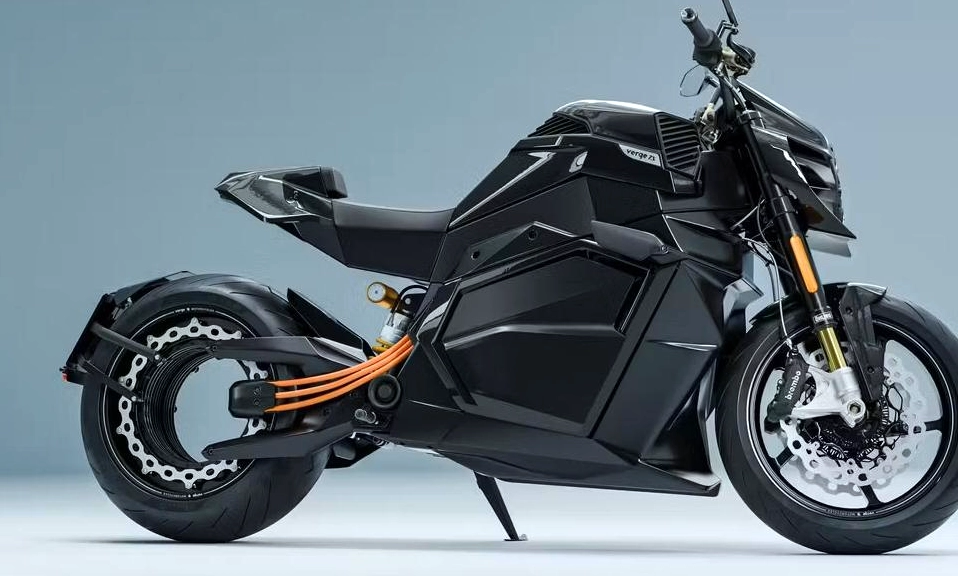
That changed at CES 2026. Verge Motorcycles, in partnership with Finnish battery firm Donut Lab, unveiled the TS Pro—the world’s first production motorcycle powered by a solid-state battery. The battery offers an energy density of 400 Wh/kg, a design life of up to 100,000 cycles, and a charging capability that can take the pack from 10% to 80% in about ten minutes.
Verge isn’t stopping at a single model. The TS Pro is offered with two battery options—20.2 kWh and 33.3 kWh—with claimed ranges of 350 km and 600 km respectively. The extended-range configuration increases range from 217 miles to a claimed 370 miles on a single charge. The hubless in-wheel motor produces 138 hp and a staggering 1,000 Nm of torque, accelerating the bike from 0 to 100 km/h in 3.5 seconds.
Production began in April 2026, with first customer deliveries following soon after. The solid-state era is no longer theoretical. It’s on the road.
2. Extreme Fast Charging Is Redefining the “Wait”
The single biggest objection to electric motorcycles has always been charging time. That objection is losing its force.
The Verge TS Pro supports CCS2 fast-charging at up to 200 kW, enabling that ten-minute 10-80% recharge—fast enough to rival a fuel stop on a long ride. Ten minutes of charging can add up to 186 miles of range.
Verge isn’t alone. Chinese brand ZXMOTO has unveiled the ZDYD, a high-performance electric maxi-scooter with a 300 km range and 15-minute fast charging from 10% to 80%. It produces 50 kW of peak power and 90 Nm of torque, weighs around 170 kg, and targets performance-focused riders.
The implication is clear: the charging stop is shrinking from a meal break to a coffee break. That changes the calculus for touring, commuting, and everything in between.
3. A Production Electric Bike Just Smashed the Range Record
In October 2026, Zero Motorcycles set a new Guinness World Record for the longest journey on an electric motorcycle with a single charge. A standard Zero DS, fitted with the factory-approved Power Tank accessory (which increases battery capacity from 15.6 kWh to 19.2 kWh), covered 271.2 miles (436.5 km) from the French Alps to the Mediterranean coast.
The previous record, set by the Verge TS Pro in 2025, was 193 miles (310.6 km). The Zero DS beat it by 125.8 km—a 40% improvement. The other two bikes in the convoy, a Zero SR/S and a Zero DSR/X, also beat the previous record, finishing at 350 km and 384 km respectively, both on stock batteries.
The ride was real-world, not laboratory. The route avoided major highways, prioritised single-lane roads, and maintained a cruising speed of roughly 32 mph (52 km/h) where conditions allowed. The charging port was sealed before departure, and the rider carried two GPS trackers for verification. It was an optimised run—but it proved that the ceiling for electric motorcycle range is higher than almost anyone assumed.
4. Battery Swapping Is Scaling in the Markets That Need It Most
For riders in markets where charging infrastructure is sparse and daily range is non-negotiable, the answer isn’t faster charging. It’s swapping.
Spiro Uganda is expanding its mega battery-swapping hubs from four to eleven by December 2026, complementing a network of more than 360 battery-swapping stations nationwide. Each mega-hub is capable of charging at least 200 batteries simultaneously, powered by a mix of solar and grid energy. The swapping model allows riders—particularly commercial operators who depend on their bikes for daily income—to exchange a depleted battery for a fully charged one instead of waiting for a recharge.
This isn’t a niche experiment. Global electric motorcycle sales reached 2.3 million units in the first four months of 2026 alone, a 16.1% increase year-over-year. The infrastructure is following the demand, and battery swapping is proving to be the most practical solution for high-utilisation, cost-sensitive riders in emerging markets.
5. LiveWire Is Building a Ladder, Not a Halo Bike
Harley-Davidson’s electric sub-brand spent its early years chasing the premium, full-size segment. In 2026, it pivoted—hard.
LiveWire is preparing to bring its biggest lineup yet to EICMA in November 2026, spanning everything from STACYC electric balance bikes to the lightweight S4 Honcho platform and the off-road-focused DUST family. Two new models will make their public debut: the S4 Honcho Skate, expanding the Honcho family in 2027, and the DUST Spur, a second dirt-focused machine following LiveWire’s acquisition of Dust Moto’s assets earlier in the year.
The Honcho Street, a road-legal lightweight, will make its European debut at EICMA before going on sale there immediately after the show, with a US launch scheduled for the week prior. LiveWire is no longer trying to sell a single premium electric cruiser. It is building a ladder of electric two-wheelers aimed at riders across a much wider range of ages, experience levels, and budgets. That is how a category grows from niche to mainstream.
6. Performance Benchmarks Are Being Reset Across Segments
Electric motorcycles are not just getting more practical. They are getting faster, more capable, and more diverse.
Brabus and DAB Motors revealed a joint lineup at Milan Design Week 2026 built around DAB’s modular DAB 1α platform. The range spans three models, with the top version producing 23 kW (31 hp) and 395 Nm of torque, designed for urban performance. A limited-edition Brabus Urban E Fragment—capped at just 10 units worldwide and priced at $50,000—pushes output to 37 hp and up to 475 Nm at the wheel. Electric motorcycles are entering the luxury and collectible segments, not just the commuter market.
At the other end of the spectrum, the ZXMOTO ZDYD proves that high performance doesn’t require a superbike price tag. A 50 kW motor, 300 km range, and 15-minute fast charging in a 170 kg package is a combination that would have been unthinkable in an affordable electric scooter just a few years ago.
7. The Market Is Growing Faster Than the Skeptics Predicted
The numbers tell a story that the enthusiast forums often miss. The global electric motorcycle market was valued at USD 1.45 billion in 2026 and is projected to reach USD 4.54 billion by 2031, growing at a compound annual rate of 25.72%. Broader definitions of the electric motorcycle and scooter market put 2026 at USD 40.8 billion, growing to USD 129.9 billion by 2035.
The growth is being driven by four structural shifts: falling battery costs, policy-driven electrification, digital fleet management, and new ownership models. Cities are pursuing cleaner, more space-efficient transportation. Consumers are seeking lower operating costs. And manufacturers are responding with products that are no longer compromises—they are genuine alternatives.
The electric motorcycle in 2026
is not the electric motorcycle of 2020. Solid-state batteries are in production. Ten-minute charging is real. A production bike has crossed 436 kilometres on a single charge. Battery swapping is scaling in the markets that need it most. LiveWire is building a ladder instead of a halo. Performance benchmarks are being reset across every segment. And the market is growing at a pace that suggests the tipping point is closer than the sceptics believe.
The game has changed. The question is no longer whether electric motorcycles can compete. It’s how soon you’ll be riding one.