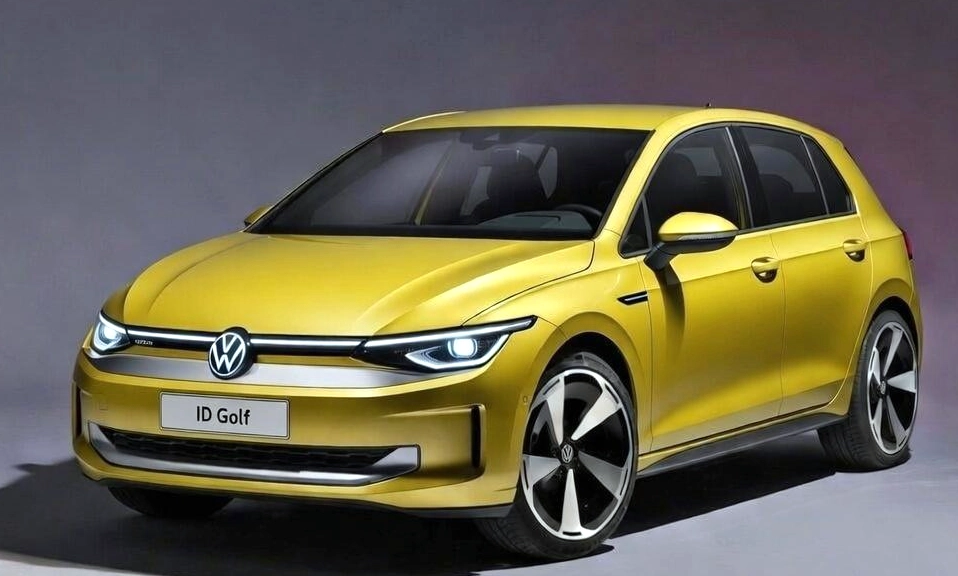
The electric Golf was supposed to be the car that proved the EV revolution could reach everyone. Instead, it has become the clearest symbol yet that the revolution is running out of money.
Volkswagen has paused development of the all-electric Golf, the ID. Golf, at its Wolfsburg headquarters. The decision is not a strategic pivot or a technological rethink. It is a blunt admission of financial reality. “We simply can’t afford this work right now,” said Thomas Schäfer, CEO of Volkswagen’s volume brands, in a memo seen by Reuters. The car that was once billed as the affordable, mass-market electric successor to one of the world’s best-selling models has been delayed until at least the early 2030s—and possibly longer.
The pause raises a question that extends far beyond Wolfsburg. If Volkswagen—Europe’s largest carmaker, with the scale, the engineering talent, and the political backing to make affordable EVs happen—cannot afford to build an electric Golf, what does that say about the cost of the EV transition for everyone else?
The Numbers Behind the Pause
The context for the decision is a financial crisis that has been building for years and has now reached the company’s flagship future model.
Volkswagen Group reported a €5.82 billion loss in the third quarter of 2026. The core Volkswagen passenger car brand lost €182 million in the same period—its first quarterly deficit since 2020. Global deliveries across the group fell 9% to 6.01 million units in the first nine months of the year. The company is in the middle of a restructuring programme that includes cutting up to 100,000 jobs and closing up to four German plants. Wolfsburg itself faces a €300 million shortfall against its cost-cutting target.
The ID. Golf was supposed to be the model that turned this around. It was one of the first vehicles planned for Volkswagen’s next-generation Scalable Systems Platform (SSP) , an 800-volt architecture designed to reduce complexity and lower production costs across the group. The platform was central to Volkswagen’s efforts to build more competitive EVs as Chinese rivals expanded in Europe. But the SSP has been plagued by delays, particularly in its software development, which is being undertaken in collaboration with Rivian.
The electric Golf was originally due in 2026. It was then pushed to 2028, then to the end of the decade, and now the pause in development work means it is unlikely to arrive before 2031. Each delay has widened the gap between Volkswagen and the Chinese manufacturers—BYD, MG, and others—that are already selling affordable, profitable EVs in Europe at prices Volkswagen cannot yet match.
The Affordability Crisis Is Not Just a Volkswagen Problem
Volkswagen’s pause is the most dramatic example of a broader trend: the EV revolution is becoming more expensive, not less, for the companies trying to build it.
The first wave of EVs was sold on promise and subsidy. Governments offered tax credits, manufacturers absorbed losses to build market share, and early adopters paid a premium for the privilege of going electric. That model is now under strain. The $25,000 EV remains a myth in the United States and Europe, structurally difficult to achieve because of battery costs, manufacturing complexity, and the thin margins on small cars. In the US, the end of federal incentives has made an already costly purchase even less attainable. Even in markets where EVs are getting cheaper—China, most notably—the affordability gains have been driven by aggressive cost engineering and vertical integration that Western legacy automakers have struggled to replicate.
For legacy manufacturers like Volkswagen, the problem is compounded by the need to fund two futures at once. They must continue to invest in internal combustion engines, which still generate the profits that pay for electrification, while simultaneously spending billions on EV platforms, battery plants, and software. When those profits shrink—as they have at Volkswagen—the EV investments are the first to be paused.
The irony is that Volkswagen’s cheaper electric models are selling well. The ID. Polo and ID. Cross are seeing “huge success across Europe,” and the recently refreshed ID. 3 has extended the lifespan of Volkswagen’s existing electric hatchback. Schäfer himself said earlier this year that “we have a fantastic lineup now that we do not need an electric Golf in 2028”. The pause is not a rejection of electric cars. It is an admission that the company cannot afford to build the next generation of them on the timeline it promised.
What This Means for the EV Revolution
The electric Golf was never just another model. It was a statement of intent: that the car that democratised motoring in the 1970s could democratise electric motoring in the 2020s. Its delay is a blow to that vision.
But it is not the end of the EV revolution. It is a recalibration. The first phase of the transition—driven by early adopters, subsidies, and regulatory pressure—is giving way to a second phase defined by cost discipline, targeted models, and a slower, more uneven pace of change. The automakers that succeed will be those that can build EVs profitably at scale, not those that can promise the most ambitious timelines.
Volkswagen still intends to build an electric Golf. The pause is temporary, not a cancellation. But the company has now made clear that the car will arrive when the money is there, not when the marketing department wants it. For an industry that has spent years promising that affordable EVs were just around the corner, that is a sobering admission.
The revolution is not over. But it is no longer being televised on the schedule the industry once advertised.
Do you think Volkswagen’s pause is a temporary setback or a sign that the affordable EV revolution is stalling—and should governments step in to support the transition, or let the market find its own level?