Walk down any supermarket aisle in 2026, and you’ll be blinded by the “High Protein” labels. Protein water. Protein pasta. Protein-fortified cookies. Protein cereal.
Protein has officially transcended its status as a mere macronutrient and become a cultural obsession. And for good reason: it is the fundamental building block of life, crucial for muscle, metabolism, and longevity.
But as with any massive health trend, the pendulum has swung hard. We’ve moved from “most people don’t eat enough protein” to “more protein is always better, no matter the source.”
So, where is the actual truth? Is a high-protein diet the ultimate hack for body composition and aging, or is it a one-way ticket to digestive distress and nutrient deficiencies?
Let’s separate the science from the hype, break down the real benefits, the actual risks, and debunk the three massive myths you’ve probably been told.
🏆 The Benefits: Why Protein Deserves the Hype
When done correctly, prioritizing protein is one of the most effective dietary strategies you can adopt. Here is what the science says it actually does for your body:
1. The Ultimate Appetite Suppressant Protein is the most satiating macronutrient. It reduces levels of the hunger hormone ghrelin and boosts peptide YY, a hormone that makes you feel full. If you are trying to manage your weight, simply increasing your protein intake is the easiest way to reduce late-night snacking and overall calorie consumption without feeling deprived.
2. The Metabolic Advantage (TEF) Your body burns calories just to digest food, known as the Thermic Effect of Food (TEF). Protein has a massive TEF. Your body uses 20% to 30% of the calories in protein just to break it down and metabolize it (compared to 5-10% for carbs and 0-3% for fats). Eating high protein literally gives your metabolism a slight, natural boost.
3. Muscle Preservation and Longevity As we age, we naturally lose muscle mass (a process called sarcopenia). This leads to frailty, falls, and a slowed metabolism. A high-protein diet, especially when combined with resistance training, is the ultimate anti-aging protocol. It preserves your lean mass, keeps your metabolism firing, and ensures you remain independent and strong into your 80s and beyond.
4. Blood Sugar Stabilization Eating protein alongside carbohydrates slows down the digestion of the meal, preventing the massive blood sugar spikes and subsequent energy crashes that lead to fatigue and cravings.
⚠️ The Risks: When “More” Becomes “Too Much”
Protein isn’t a magic shield. If you blindly chase a high-protein number without considering the rest of your diet, you run into very real risks.
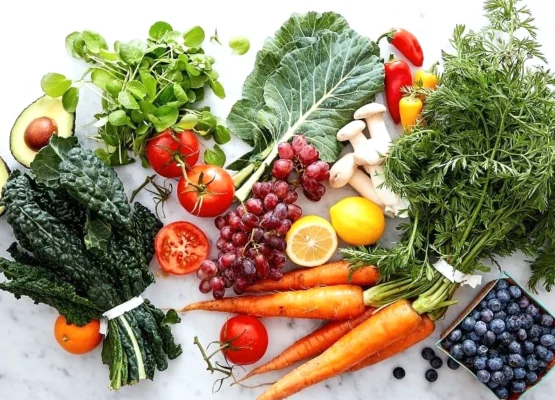
1. The “Crowding Out” Effect If you are so focused on hitting 180 grams of protein that you are eating chicken breast and protein shakes for every meal, you are likely “crowding out” other vital foods. You might be missing out on the vitamins, minerals, and phytonutrients found in fruits, vegetables, and whole grains.
2. The Fibre Deficit (Hello, Constipation) Animal proteins (meat, dairy, eggs) contain zero dietary fibre. If your high-protein diet is heavily skewed toward animal products and you neglect plant foods, your gut microbiome will starve, and your digestion will grind to a halt. Chronic constipation is the most common complaint among people on extreme high-protein diets.
3. The Saturated Fat Trap If your primary protein sources are fatty cuts of beef, bacon, sausage, and full-fat dairy, you are simultaneously consuming massive amounts of saturated fat. Over time, this can negatively impact your cardiovascular health and cholesterol levels, completely negating the metabolic benefits of the protein.
🛑 The 3 Massive Myths You Need to Stop Believing
The internet is full of outdated bro-science regarding protein. Let’s put the three biggest myths to rest once and for all.
Myth #1: “High protein diets destroy your kidneys.”
The Fact: This is the most persistent myth in nutrition. It is true that if you have pre-existing Chronic Kidney Disease (CKD), a doctor will put you on a protein-restricted diet to reduce the workload on your kidneys. However, for a person with healthy kidneys, a high-protein diet does not cause kidney damage. It’s like saying drinking a lot of water destroys your bladder. Healthy kidneys are perfectly equipped to filter the byproducts of protein metabolism. Decades of clinical studies have shown no adverse effects on renal function in healthy individuals consuming up to 2.2g of protein per kg of body weight.
Myth #2: “Your body can only absorb 30 grams of protein per meal.”
The Fact: This myth stems from a misunderstanding of “Muscle Protein Synthesis” (MPS). It is true that there is a “cap” on how much protein your body can use to build new muscle tissue in a single sitting (usually around 30–40 grams). But the rest of the protein you eat isn’t “wasted” or “pooped out.” Your body is incredibly efficient. It will use the remaining amino acids for energy, immune function, skin and hair repair, and the maintenance of other organs. Your gut absorbs almost all the protein you eat; it just partitions it to different jobs.
Myth #3: “High protein leaches calcium from your bones, causing osteoporosis.”
The Fact: This is based on the debunked “acid-ash hypothesis,” which claimed that because protein is acidic, the body pulls alkaline calcium from your bones to neutralize it. Modern science has completely overturned this. In reality, high protein intake increases calcium absorption in the gut and stimulates the production of IGF-1 (Insulin-like Growth Factor 1), which builds bone. Epidemiological studies consistently show that people who eat the most protein have the highest bone mineral density and the lowest risk of fractures. Protein is a bone-builder, not a bone-destroyer.
🛠️ How to Do a High-Protein Diet the Right Way
If you want to harness the power of protein without the downsides, follow this blueprint:
- Aim for 1.6 to 2.2 grams per kilogram of body weight: (Or about 0.7 to 1 gram per pound). This is the sweet spot for muscle preservation, satiety, and metabolic health.
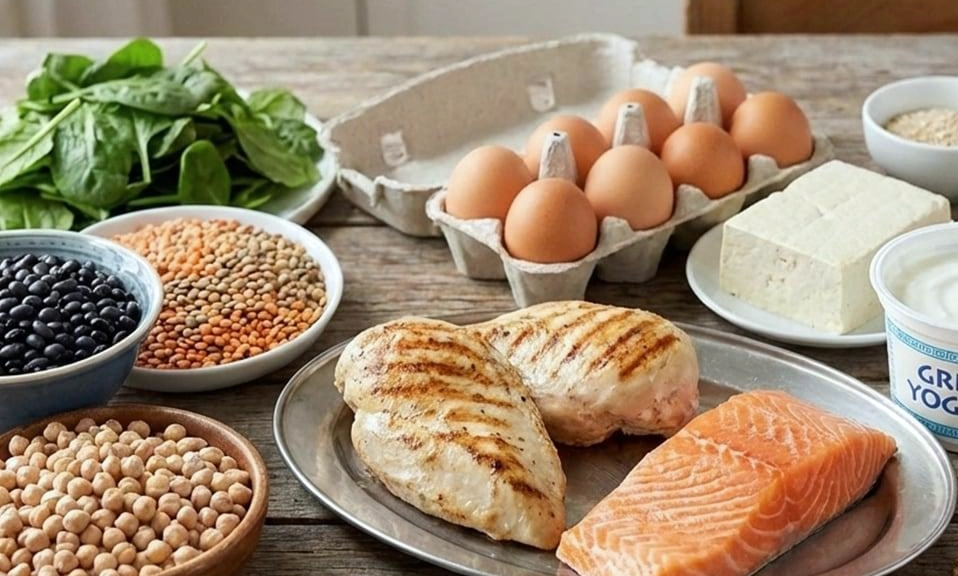
- Diversify Your Sources: Don’t just eat chicken and whey. Incorporate fatty fish (for Omega-3s), Greek yoghurt, eggs, lentils, chickpeas, tofu, and edamame.
- The “Protein + Fibre” Rule: Never eat a “naked” protein meal. Always pair your protein with a high-fibre carbohydrate (like beans, quinoa, broccoli, or berries) to feed your microbiome and keep your digestion moving.
- Spread It Out: While your body absorbs all the protein you eat, spreading it out over 3 to 4 meals (aiming for 30g+ per meal) is the most efficient way to keep Muscle Protein Synthesis elevated throughout the day.
- Hydrate: Processing protein requires more water than processing carbs or fats. If you increase your protein, you must increase your water intake.
Protein is a Tool, Not a Religion
Protein is undeniably a superstar nutrient. It keeps you full, preserves your muscle, strengthens your bones, and keeps your metabolism humming.
But it is not a free pass to ignore vegetables, and it is not a reason to eat your body weight in bacon. The goal isn’t to see how high a number you can hit on your fitness tracker; the goal is to use protein strategically to build a strong, resilient, and healthy body.
Focus on high-quality, diverse sources, pair them with plenty of fibre, and let the science do the rest.