10 Places to Visit Beyond Tokyo and Kyoto
For the fourth consecutive year, Japan has been named the #1 country in the world by the readers of Condé Nast Traveler in the magazine’s 2026 Readers’ Choice Awards. It also claimed the top spot in the World Economic Forum’s 2026 Travel and Tourism Development Index, welcoming a record 42.7 million international visitors in 2025.
But here’s the catch: the Japan that most travellers see is a narrow slice of a much larger, richer country. The classic “Golden Route” — Tokyo, Hakone, Kyoto, Osaka — has become a victim of its own success, with historic districts in Kyoto experiencing record crowds year after year.
The good news is that Japan’s tourism board has actively encouraged travellers to explore beyond the famous hubs, making it easier than ever to venture into quieter, rural regions. And the destinations listed here are worth the effort. From the ancient cedar forests of Yakushima to the snow monsters of Yamagata, these are the places that will make you fall in love with Japan all over again.
1. Aomori: The Far North’s Best-Kept Secret
Why go: Aomori is one of Japan’s most underrated destinations. Located in the Tohoku region at the northern tip of Honshu, it offers a quiet alternative to the busy southern circuit — scenic trains, samurai castles, local crafts, and a fraction of the crowds.
Don’t miss: Hirosaki Castle, one of Japan’s few remaining original castles, is the centrepiece of a city that has elevated apple farming to an art form. The Nebuta Matsuri festival in August is one of Japan’s most famous summer events, with illuminated paper floats paraded through the streets. And the Oirase Gorge — a nine-mile walking path through ancient beech forests and waterfalls — is one of the most beautiful hikes in the country.
How to get there: The Tohoku Shinkansen from Tokyo reaches Shin-Aomori in about three hours.
2. Yamagata: National Geographic’s Pick for 2026
Why go: Yamagata was the only Japanese destination named in National Geographic’s “Best of the World 2026” list, praised for its centuries-old traditions and inspiring outdoor adventures.
Don’t miss: The Ginzan Onsen hot spring resort is one of the most photogenic places in Japan, a riverside town of Taisho-era wooden inns lit by gas lamps at night. Risshakuji Temple — known as “Yamadera” — clings to a mountainside and offers sweeping views of the valley below. And the Three Sacred Peaks of Dewa (Mount Haguro, Mount Gassan, and Mount Yudono) are a pilgrimage route that has drawn travellers for over a thousand years.
How to get there: Yamagata is about 320 kilometres from Tokyo, accessible via the Yamagata Shinkansen in roughly three hours.
3. Shikoku: Lonely Planet’s Top Off-Grid Destination
Why go: Lonely Planet named Shikoku — Japan’s smallest main island — one of the 15 best places in the world to go off-grid in 2026.
Don’t miss: The legendary 88 Temple Pilgrimage circles the island, attracting walkers seeking physical challenge and spiritual journey. The Iya Valley offers remote, thatched-roof farmhouses dating back centuries and crystal-clear river rafting. And Kamikatsu, Japan’s pioneering zero-waste village, is a model for sustainable living.
How to get there: Shikoku is connected to Honshu by bridges and ferries. Public transport is less extensive than on the main island, so renting a car is recommended for exploring hidden corners.
4. Yakushima Island: The Forest That Inspired Princess Mononoke
Why go: Yakushima is a UNESCO World Heritage site known for its ancient cedar forests, some of which are thousands of years old. The island’s moss-covered landscapes are said to have inspired the forest in Studio Ghibli’s Princess Mononoke.
Don’t miss: Hiking through the Shiratani Unsuikyo ravine is the most accessible way to experience the ancient forest. The Jomon Sugi, one of the oldest and largest cedar trees in Japan, is a challenging but rewarding trek. The island’s waterfalls and coastal hot springs are equally memorable.
How to get there: Yakushima is a short ferry or flight from Kagoshima in southern Kyushu.
5. Naoshima: The Art Island
Why go: Naoshima is a peaceful island in the Seto Inland Sea dedicated to contemporary art and architecture, offering a completely different perspective on Japan.
Don’t miss: The Benesse House Museum, designed by Tadao Ando, integrates art, architecture, and nature. The iconic yellow pumpkin by Yayoi Kusama is one of the most photographed spots in Japan. The Chichu Art Museum, built underground to preserve the landscape, houses works by Monet, James Turrell, and Walter De Maria.
How to get there: Ferries run regularly from Uno Port in Okayama and Takamatsu in Kagawa.
6. Kanazawa: The “Little Kyoto” Without the Crowds
Why go: Kanazawa is often called “Little Kyoto” for its well-preserved historic districts, traditional crafts, and one of Japan’s most beautiful gardens — but without the overwhelming crowds.
Don’t miss: Kenroku-en Garden is one of Japan’s three great gardens and is stunning in every season. The Higashi Chaya District’s teahouses offer a glimpse into the world of geisha culture. And the 21st Century Museum of Contemporary Art is a must for art lovers.
How to get there: Kanazawa is accessible via the Hokuriku Shinkansen from Tokyo in about 2.5 hours.
7. Takayama: The Mountain Town That Time Forgot
Why go: Takayama is a well-preserved mountain town with traditional streets, markets, and a pace of life that feels a world away from the cities.
Don’t miss: The Sanmachi Suji district’s Edo-era streets are lined with sake breweries, shops, and cafes. The Miyagawa Morning Market is one of Japan’s best, selling local produce, crafts, and snacks. And the nearby Shirakawa-go village — a UNESCO site with thatched-roof farmhouses — is one of the most picturesque places in Japan.
How to get there: Takayama is accessible via the Hida Limited Express from Nagoya or Toyama.
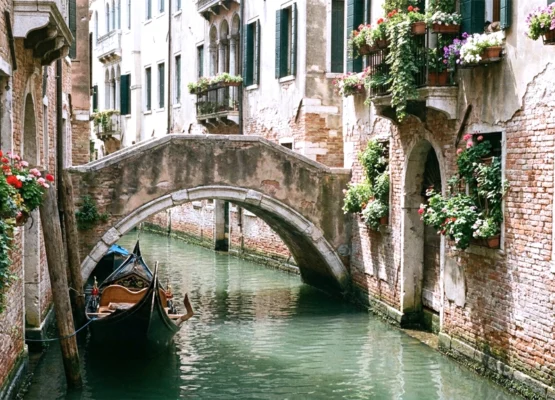
8. Kurashiki: The Venice of Japan
Why go: Kurashiki is a beautifully preserved Edo-period merchant town, known for its canal-lined Bikan Historical District.
Don’t miss: The Ohara Museum of Art, Japan’s first museum of Western art, houses works by El Greco, Monet, and Rodin. A scenic boat ride along the willow-lined canal is a must. And the town’s traditional stores and cafes make it a perfect stop between Okayama and Hiroshima.
How to get there: Kurashiki is a short train ride from Okayama Station on the Sanyo Main Line.
9. Oki Islands: The Geopark You’ve Never Heard Of
Why go: The Oki Islands are a cluster of islands off the coast of Shimane Prefecture, recognised by UNESCO as a Geopark for their dramatic scenery and unique geology.
Don’t miss: Free-roaming horses, steep seaside bluffs, and sacred cedars that are over a thousand years old. The local fishing villages offer fresh seafood and warm hospitality.
How to get there: Ferries and flights connect the Oki Islands to the mainland from Shimane Prefecture.
10. Nagato Yumoto: The Quiet Onsen Town
Why go: Nagato Yumoto is a rural hot spring town in Yamaguchi Prefecture, offering a quintessential Japanese onsen experience without the crowds.
Don’t miss: The 600-year-old Onto hot spring, which has been refreshed with a design-forward bathhouse. The Otozure River, lined with well-maintained walking paths, is perfect for a relaxing stroll.
How to get there: Nagato Yumoto is accessible via the JR Mine Line from Asa Station in Yamaguchi.
Japan’s tourism
boom is real, but so is the opportunity to experience the country in a way that feels personal, unhurried, and genuinely surprising. The destinations on this list aren’t just alternatives to Tokyo and Kyoto. They are places worth travelling to for their own sake.
Whether you’re soaking in a mountain onsen in Yamagata, hiking through ancient forests on Yakushima, or cycling through the canals of Kurashiki, the Japan beyond the Golden Route will reward you with something increasingly rare in modern travel: a sense of discovery.
Japan is the world’s number one destination. But the best of Japan might just be the places most travellers haven’t found yet.